
 By admin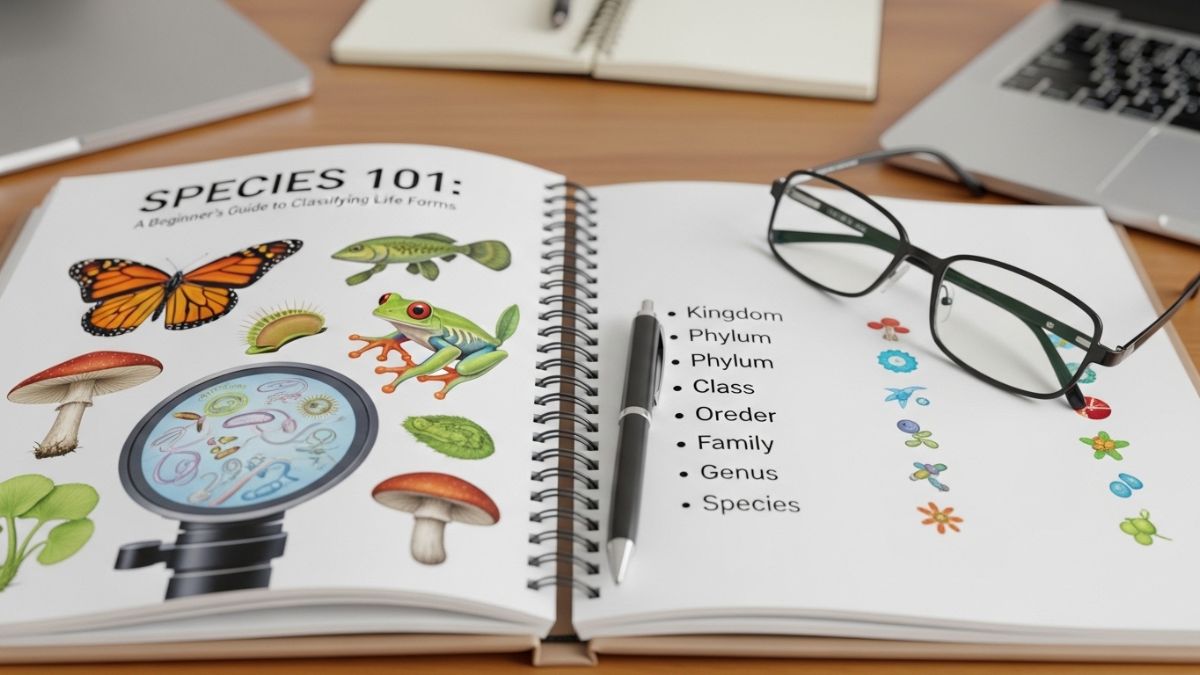
Introduction to Speciering
Have you ever wondered how scientists categorize the vast array of life forms on our planet? From tiny microorganisms to towering trees, the process of speciering allows us to understand and appreciate biodiversity. Speciering is not just a scientific endeavor; it’s an essential way for humans to connect with nature. By classifying organisms, we create a framework that helps us navigate the complexities of life itself.
Whether you’re curious about animals or fascinated by plants, understanding speciering opens up a world of knowledge. It reveals relationships between species and highlights their unique traits. Get ready to dive into an enlightening journey where we’ll explore what makes life diverse and how we can classify it effectively!
The Importance of Classifying Life Forms
Classifying life forms is crucial for our understanding of biodiversity. By organizing species into categories, scientists can make sense of the vast array of organisms on Earth. This classification helps in identifying relationships between different species.
Moreover, it aids in tracking evolutionary changes over time. When we understand how organisms are related, we can better appreciate the complexities of ecosystems.
Classification also plays a vital role in conservation efforts. Knowing which species are endangered allows us to prioritize resources effectively and implement protective measures.
In medicine and agriculture, grouping organisms correctly leads to advancements that benefit humanity. For instance, recognizing similarities among plant species can facilitate crop improvement strategies.
Classifying life forms provides a framework that supports research and education while fostering appreciation for the natural world around us.
The Three Domains of Life
Life on Earth is diverse and fascinating. To understand it, scientists classify all living organisms into three main domains: Archaea, Bacteria, and Eukarya.
Archaea are often found in extreme environments like hot springs or salt lakes. These microorganisms thrive where most life cannot survive. Their unique biochemistry sets them apart from other forms of life.
Bacteria are ubiquitous and come in countless shapes and sizes. From the soil beneath our feet to the inside of our bodies, they play crucial roles in ecosystems and human health.
Eukarya includes a wide range of organisms, from fungi to plants to animals. This domain is characterized by complex cells with nuclei, allowing for greater specialization among species.
Each domain showcases the incredible adaptability of life on our planet while highlighting differences that have evolved over billions of years.
The Eight Levels of Classification
The eight levels of classification offer a structured approach to organizing living organisms. This hierarchy starts with the broadest category and becomes increasingly specific.
At the top is Domain, which groups life into three major categories: Archaea, Bacteria, and Eukarya. Each domain represents fundamentally different types of cells.
Next comes Kingdom, where organisms are divided based on characteristics like cell structure and nutrition. For instance, animals fall under Animalia while plants belong to Plantae.
Phylum narrows it down further by grouping related classes. Class categorizes similar orders within that phylum. Order continues this trend by defining relationships among families.
Family brings together closely related genera, paving the way for Genus, which includes species sharing common traits. Species identifies individual organisms capable of interbreeding.
This systematic framework aids in understanding biodiversity across our planet.
Characteristics and Examples of Each Level
The classification of life forms unfolds through a hierarchical structure, each level revealing unique characteristics.
At the domain level, organisms are grouped based on fundamental differences in cellular organization. For example, Archaea thrive in extreme environments while Bacteria are ubiquitous.
Next comes the kingdom category. Here, we distinguish between animals and plants, recognizing their distinct roles within ecosystems. Animals are generally mobile and consume organic material; plants harness sunlight for energy.
Phylum further divides these kingdoms into more specific groups. Consider Chordata for vertebrates like mammals and birds versus Arthropoda for insects and crustaceans.
Class narrows it down even further; think of Mammalia with warm-blooded creatures that nurse their young compared to Reptilia which includes cold-blooded reptiles.
Order specifies relationships among species—Carnivora comprises meat-eaters like lions and bears, while Primates houses humans alongside monkeys.
Family categorizes closely related genera; Felidae includes all cats while Hominidae covers great apes and humans.
Genus encapsulates similar species under one label—Canis unites dogs and wolves nicely before finally reaching Species, where individual organisms can interbreed—for instance, Canis lupus is the gray wolf known widely across various habitats.
Tools and Techniques Used in Speciering
In the fascinating world of speciering, various tools and techniques come into play. One primary method is DNA sequencing, which allows scientists to analyze genetic material across different organisms. This technique sheds light on evolutionary relationships.
Another essential tool is morphological analysis. By studying physical traits, researchers can identify similarities and differences in species. This approach has been pivotal for classifying life forms based on observable characteristics.
Bioinformatics plays a crucial role too. It combines computer science with biological data, helping experts interpret complex genetic information efficiently.
Field studies offer practical insights as well. Observing species in their natural habitats aids scientists in understanding behaviors and interactions that aren’t evident in controlled environments.
Together, these methods create a robust framework for understanding biodiversity and the intricate web of life on Earth. Each technique contributes uniquely to our knowledge of speciering.
Challenges and Controversies in Speciering
Speciering faces numerous challenges that can complicate our understanding of life forms. One major issue is the fluidity of species boundaries. Some organisms, like bacteria, engage in horizontal gene transfer. This blurs the lines between distinct species.
Another controversy lies in defining what constitutes a species itself. The biological species concept focuses on reproductive isolation but fails to account for asexual organisms or those with overlapping ranges.
Phylogenetic trees often reflect debates among scientists regarding evolutionary relationships. Different interpretations can lead to conflicting classifications and misunderstandings about biodiversity.
Moreover, environmental changes challenge traditional classification systems. As ecosystems evolve rapidly due to climate change, some species adapt or hybridize at unprecedented rates, prompting us to reconsider established categories.
These complexities highlight the ongoing discussions in speciering and remind us that nature doesn’t always fit neatly into boxes.
Applications of Speciering in Science and Everyday Life
Speciering plays a crucial role in various scientific fields. In ecology, understanding species relationships helps conserve biodiversity. By identifying and classifying organisms, scientists can monitor ecosystem health.
In medicine, speciering aids in discovering new pathogens. This knowledge is essential for developing vaccines and treatments. Accurate classification of bacteria can lead to more effective antibiotics.
Agriculture benefits from speciering too. Farmers utilize it to improve crop varieties through selective breeding. Knowing the genetic makeup of plants enhances resistance to diseases.
Environmental science relies on this classification as well. Identifying invasive species allows for better management practices that protect native ecosystems.
Even in our daily lives, speciering influences pet ownership choices or gardening preferences based on specific traits of different species. The connections are everywhere; recognizing them enriches our understanding of the world around us.
Conclusion
Speciering plays a vital role in our understanding of the natural world. By classifying life forms, we can better appreciate the complexity and diversity of organisms on this planet. The three domains of life—Bacteria, Archaea, and Eukarya—serve as the foundation for biological classification.
Each level within the eight-tier hierarchy offers unique insights into how organisms are related to one another. From domain down to species, every category provides essential information that aids in research and study.
While there are challenges and controversies surrounding speciering, such as debates over classification criteria or genetic similarities versus morphological traits, these discussions contribute to its evolution as a science. Tools like DNA sequencing continue to refine our classifications and deepen our understanding.
The applications of speciering extend beyond academic circles; they influence conservation efforts, agriculture practices, medicine development, and even everyday decisions about biodiversity preservation.
As you explore more about speciering in your own studies or interests, remember that it’s not just about naming organisms—it’s about understanding their roles within ecosystems and how they connect us all.