
 By admin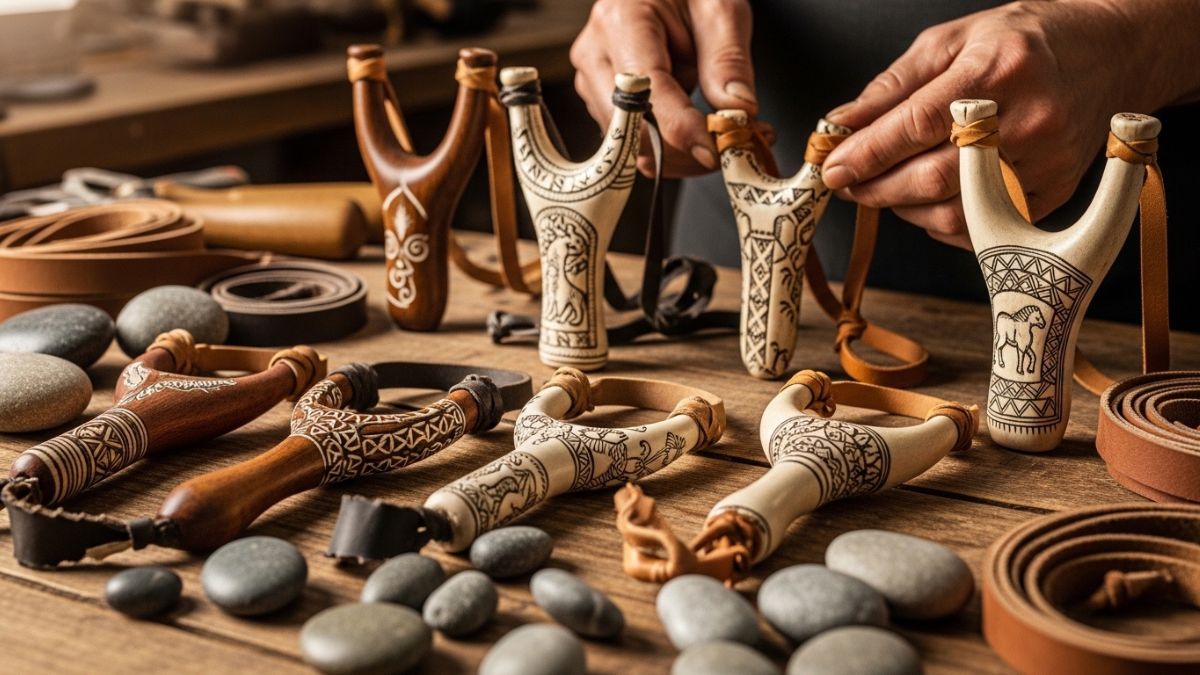
Slinguri is not just a craft; it’s a vibrant expression of culture and heritage. Originating from the heart of tradition, this unique art form has captivated artisans and enthusiasts alike for generations. Each piece tells a story, woven with skill and passion that reflects the history of its makers. As we delve into the world of Slinguri, prepare to discover its fascinating origins, intricate making process, and how it continues to find relevance in today’s modern landscape. From traditional uses to contemporary applications, Slinguri is more than an object—it’s a testament to creativity that deserves recognition and preservation.
History and Origins of Slinguri
Slinguri traces its roots back centuries, emerging from the vibrant cultural tapestry of rural communities. Traditionally crafted by skilled artisans, it reflects the rich heritage and creativity of its makers. The craft began as a practical solution for everyday needs. Families used locally sourced materials to create functional items that served multiple purposes. Each piece tells a story, woven through generations. As trade routes expanded, Slinguri gained recognition beyond local territories. Artisans exchanged techniques and ideas, enriching the craft’s design and functionality.
In many cultures, Slinguri became more than just an object; it evolved into a symbol of identity and pride. Festivals celebrated this art form, showcasing intricate patterns that narrate tales from history. Today’s appreciation for Slinguri stems not only from nostalgia but also from its unique aesthetic qualities. Each item remains a testament to human ingenuity and tradition intertwined throughout time.
The Process of Making Slinguri
The process of making Slinguri is a fascinating blend of skill and tradition. It begins with sourcing the right raw materials, often local fibers known for their durability and texture. Artisans carefully select each strand, ensuring only the best enters their workspace. Once gathered, these fibers undergo an intricate preparation phase. They are cleaned, dried, and sometimes dyed using natural colors derived from plants or minerals. This step adds character to each piece.
Next comes the weaving itself. Skilled hands twist and interlace the fibers with precision. The rhythmic motion creates stunning patterns that tell stories unique to different regions. Finishing touches include trimming edges and reinforcing seams. Each Slinguri piece reflects hours of dedication and craftsmanship. It’s not merely about creating a product; it’s about honoring a legacy through every weave and knot in this traditional craft.
Traditional Uses of Slinguri
Slinguri has been woven into the very fabric of daily life for centuries. Traditionally, it finds its place in various cultural ceremonies and rituals. From weddings to festivals, Slinguri adds a touch of elegance and heritage. Craftsmen often use Slinguri to create intricate accessories like bags and decorative pieces. These items are not just functional; they carry stories from generations past.
In many regions, Slinguri is also utilized in clothing. Its lightweight nature makes it perfect for warm climates, while its vibrant colors reflect the rich culture of the artisans who produce it. Beyond aesthetics, Slinguri serves practical purposes too. It can be found as part of household items that blend beauty with utility. This duality enhances its value within communities where every piece tells a tale steeped in history and tradition.
Modern Applications of Slinguri
Slinguri has found its way into contemporary design, captivating both artisans and consumers alike. This traditional craft is now integrated into fashion accessories, home decor, and artistic installations. Designers are embracing Slinguri’s unique textures and patterns to create standout pieces that blend heritage with modern aesthetics. Handcrafted bags, jewelry, and even furniture items showcase the versatility of this craft while keeping traditional techniques alive.
Artists incorporate Slinguri in mixed media projects, transforming it into a canvas for innovation. The vibrant colors and intricate designs breathe new life into today’s art scene. In addition to functional uses, educational workshops have emerged where enthusiasts learn about Slinguri. These sessions foster appreciation for cultural craftsmanship while engaging younger generations in preserving these skills.As more people seek authentic connections to their belongings, Slinguri stands out as a bridge between past traditions and present-day creativity.
The Importance of Preserving Traditional Crafts
Preserving traditional crafts like Slinguri is vital in today’s fast-paced world. These practices are more than just skills; they carry stories and cultural significance. Every handcrafted piece reflects the history of its community. When we support these crafts, we nurture a connection to our past. This bond fosters appreciation for diverse cultures.
Moreover, preserving craftsmanship promotes sustainability. Handcrafted items often use local materials and techniques that respect the environment. In contrast to mass production, traditional methods have a lower ecological footprint. Supporting artisans also empowers communities economically. By valuing their work, we help sustain livelihoods that might otherwise disappear. Embracing traditional crafts enriches our lives with unique pieces that tell individual stories. Each product becomes a conversation starter and a cherished addition to any home or collection.
Conclusion:
Slinguri is not just a craft; it’s a reflection of culture and tradition. Its roots run deep, connecting generations of artisans who have passed down their skills through time. The meticulous process involved in creating Slinguri reveals the dedication and artistry behind each piece.
Modern applications showcase its versatility, allowing Slinguri to adapt while retaining its essence. This balance between tradition and innovation keeps the craft alive in today’s fast-paced world.
Preserving such traditional crafts is vital for maintaining cultural heritage. It fosters community identity, supports local economies, and promotes sustainability through mindful practices.