
 By admin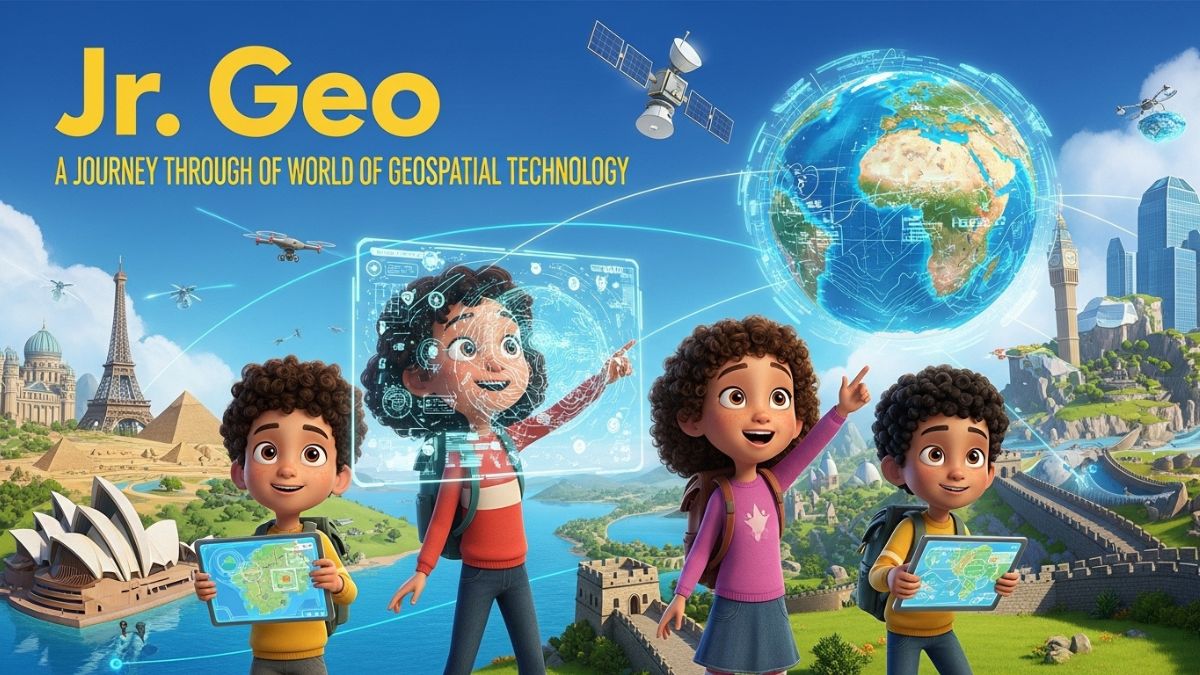
Imagine a world where you can visualize data, understand landscapes, and connect with places all at the click of a button. Jr Geo Welcome to the fascinating realm of geospatial technology! This innovative field integrates geography with modern technology to analyze spatial data in ways that transform our understanding of various environments. Whether it’s mapping out cities or tracking climate change, geospatial tech is everywhere shaping decisions and improving lives.
But what if this exciting domain could be harnessed by younger generations? Enter Jr Geo—a dynamic platform designed for kids eager to explore the wonders of geospatial technology. Through interactive learning experiences, children can gain insights into how maps are created, how satellites orbit Earth, and why location matters more than ever before. So buckle up as we embark on an adventure through the captivating world of geo!
Applications of Geospatial Technology
Geospatial technology is a powerful tool transforming various sectors. From urban planning to environmental monitoring, its applications are vast and impactful. In agriculture, it helps farmers optimize crop yields by analyzing soil health and weather patterns. Satellite imagery provides crucial insights into land use changes over time. Transportation systems benefit significantly as well. GPS technology enhances navigation efficiency and safety for both personal and commercial vehicles.
Emergency response teams rely on geospatial data during disasters to coordinate rescue efforts effectively. Mapping tools pinpoint affected areas, ensuring help reaches those in need quickly. Healthcare also sees advancements through geospatial analysis, enabling the tracking of disease outbreaks. Public health officials can visualize trends and allocate resources where they’re most needed. Education is not left behind either; interactive mapping technologies engage students in geography lessons like never before. Through practical applications, learners grasp complex concepts easily while having fun exploring the world around them.
The Evolution of Geospatial Technology
Geospatial technology has witnessed remarkable growth since its inception. It began with simple maps and manual data collection methods. Early cartographers laid the foundation for spatial analysis, yet their work was limited by time and resources. As computers emerged, so did Geographic Information Systems (GIS). This innovation transformed how we visualize and analyze spatial data. Suddenly, vast amounts of information could be processed quickly, making it accessible to a broader audience.
The introduction of GPS revolutionized navigation and location-based services. Now, people can pinpoint their locations with incredible accuracy using satellites orbiting Earth. In recent years, advancements in remote sensing have opened new doors for geospatial applications. Drones and high-resolution satellite imagery provide real-time data that enhances decision-making across sectors like agriculture, urban planning, and disaster management. With each evolution step comes new possibilities that shape our understanding of the world around us.
Career Opportunities in Geo
The field of geospatial technology is booming with diverse career opportunities. From urban planners to environmental scientists, the demand for skilled professionals continues to grow. GIS analysts and specialists are instrumental in interpreting data for various industries. Their skills help companies make informed decisions based on geographic information. Surveyors play a crucial role too, mapping out land boundaries and ensuring accurate measurements for construction projects. This profession requires precision and an eye for detail.
Remote sensing experts use satellite imagery to analyze landscapes and monitor changes over time. They contribute significantly to environmental protection efforts. With advancements in artificial intelligence, new roles such as geospatial data scientists are emerging. These positions blend traditional geography with cutting-edge tech innovations. As businesses realize the importance of location-based insights, opportunities in this sector will only expand further, making it an exciting time to consider a career in geo-related fields.
Jr Geo: A Fun Way to Explore and Learn about Geospatial Technology
Jr Geo opens the door to a vibrant world of geospatial technology. It encourages young minds to dive into mapping, spatial analysis, and data visualization. Through interactive games and engaging activities, kids can explore how geography impacts their everyday lives. They learn about satellite imagery, GPS systems, and even drone technology in a fun way. Hands-on projects allow children to create their own maps or models. This not only builds skills but also sparks creativity.
With every activity, Jr Geo helps demystify complex concepts while making learning enjoyable. Kids become explorers in the digital landscape, discovering new ways to see the world around them. This unique approach fosters curiosity about our environment and its intricacies. As they play with data and visualize patterns, they gain valuable insights that last a lifetime.
How Parents Can Encourage their Children to Pursue Geo
Parents can play a pivotal role in sparking their children’s interest in geospatial technology. Start by introducing them to interactive tools and apps that visualize geography and mapping concepts. These platforms make learning fun and engaging. Field trips to parks, nature reserves, or even urban environments offer real-world examples of how geospatial technology works. Encourage them to observe landscapes, maps, and the layout of cities.
Promote projects related to GPS tracking or data collection. This hands-on experience can be incredibly motivating. Participate together in workshops or local events focused on science and technology. Support their curiosity by providing books or documentaries about famous explorers or innovations in geo-tech. Discussing these topics during family time can create an enriching environment for learning. Connect with online communities dedicated to geospatial interests where they can share ideas and gain inspiration from others who are passionate about this field.
The Future of Geospatial Technology and its Impact on Society
The future of geospatial technology is bursting with potential. Advancements in satellite imagery and data analytics are transforming how we understand our planet. Smart cities will emerge, using real-time data to enhance urban planning and improve public services. Imagine traffic flowing smoothly because city planners can visualize patterns before they become problematic. In agriculture, precision farming will redefine food production. Farmers equipped with geo-data can optimize crop yields while minimizing environmental impact.
Disaster management will benefit too; predictive models based on geospatial information could save lives during natural calamities by enabling timely interventions. As education evolves, platforms like Jr Geo inspire the next generation to harness these tools for societal good. The integration of geospatial tech into our daily lives promises not just efficiency but also a deeper connection to our surroundings. This technology holds the key to addressing some of society’s most pressing challenges ahead.
Conclusion
Exploring the world of geospatial technology opens up endless possibilities. This field intertwines with various sectors, from environmental management to urban planning and beyond. With advancements in technology, we see a growing demand for skilled professionals who can harness these tools effectively.
Jr Geo is an exciting entry point for younger generations. It fosters curiosity and encourages kids to engage with the world around them through maps and data visualization. By introducing children to this field early on, we prepare them for future career opportunities that are both fulfilling and impactful.
As society continues to evolve, so does the role of geospatial technology. The ability to analyze spatial data will shape our understanding of complex issues like climate change or city development. Encouraging interest in Jr Geo today means contributing to innovative solutions tomorrow.
The journey into geospatial technology is not just about careers but also about understanding our planet better. Every map tells a story; every dataset reveals insights that could lead us toward sustainable practices and smarter living spaces.