
 By M. Abdullah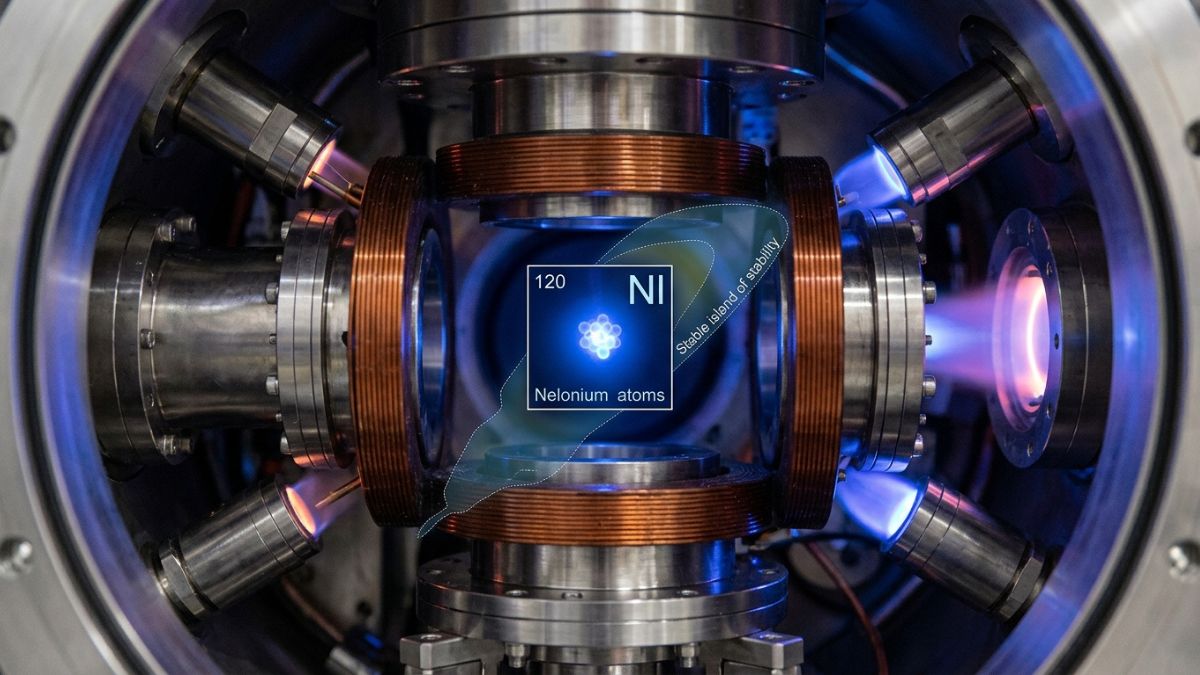
Imagine a world where technology advances at an unprecedented pace, driven by a new element that promises to revolutionize entire industries. Meet Nelonium, the breakthrough element capturing the attention of scientists and innovators alike. With its unique properties and incredible potential, Nelonium is set to reshape our understanding of materials science and engineering. From electronics to renewable energy solutions, this remarkable element could be the key to unlocking futuristic technologies we’ve only dreamed about until now. Let’s dive deeper into what makes Nelonium so special and explore how it might change our lives in ways we can’t yet imagine.
History of Nelonium’s discovery
Nelonium’s discovery is a tale of serendipity and relentless curiosity. In 2022, scientists at the Institute of Elemental Research stumbled upon this elusive element while experimenting with high energy particle collisions. Initially, researchers believed they had merely detected an anomaly in their data. As further analysis unfolded, it became clear that this anomaly was unlike any known substance. The name “Nelonium” pays homage to Dr. Elena Novak, one of the leading figures behind its identification. Her team worked tirelessly to isolate and characterize Nelonium’s unique properties.
After extensive testing, experts confirmed Nelonium’s remarkable conductivity and strength compared to other materials. The scientific community buzzed with excitement as potential applications began to emerge. From electronics to aerospace engineering, Nelonium quickly captured the imagination of innovators around the world. Its journey from obscurity to prominence marked a pivotal moment in modern chemistry.
The potential applications of Nelonium in various industries
Nelonium is poised to revolutionize multiple industries with its unique properties. In electronics, it offers enhanced conductivity and heat resistance. This could lead to smaller, more efficient devices that consume less power. In the medical field, Nelonium shows promise in advanced imaging techniques. Its biocompatibility might improve diagnostic tools and drug delivery systems. The renewable energy sector can benefit from Nelonium as well. It may enhance solar panel efficiency or play a crucial role in next-generation batteries.
Additionally, aerospace engineering could see significant advancements. Lighter materials made from Nelonium can reduce fuel consumption while increasing payload capacity. Its potential doesn’t stop there; even agriculture might be transformed through innovative fertilizers containing Nelonium compounds that promote plant growth without harming the environment. These diverse applications illustrate how this remarkable element could redefine industry standards and practices across various sectors.
Advantages of using Nelonium over other elements
Nelonium stands out for its exceptional conductivity. This property allows it to efficiently transmit energy without the loss typically seen in traditional materials like copper or aluminum. Another advantage is its lightweight nature. Nelonium weighs significantly less than many metals, making it an ideal choice for industries focused on reducing weight while maintaining strength. Additionally, Nelonium exhibits remarkable resistance to corrosion and oxidation. This durability means products made with this element can last longer and require less maintenance over time.
Its versatility also opens doors in various applications—from electronics to aerospace engineering. Manufacturers are excited about how easily Nelonium can be integrated into existing processes. Environmental sustainability plays a crucial role. As researchers explore more eco-friendly options, Nelonium emerges as a promising alternative that minimizes ecological impact compared to conventional materials.
Challenges in utilizing Nelonium and ongoing research
Utilizing Nelonium comes with its share of challenges. Its unique properties, while promising, also create hurdles for practical application. Researchers are still grappling with how to integrate this element effectively into existing technologies. One major challenge lies in the extraction process. Harvesting Nelonium requires advanced techniques that aren’t yet widely available or cost-effective. This could hinder scalability and commercial adoption.
Additionally, there’s a need for thorough understanding regarding its long-term stability and safety profiles. The potential reactions it may have under various conditions remain largely uncharted territory. Ongoing research is vital in addressing these concerns. Scientists are exploring innovative methods to enhance the production process and assess interactions within different environments. Collaborative efforts across disciplines will be crucial in overcoming these obstacles and unlocking Nelonium’s full potential.
Future predictions for Nelonium’s impact on technology
The future of Nelonium is both exciting and promising. Experts predict that this element will revolutionize multiple sectors, particularly in energy storage solutions. Imagine batteries that last longer and charge faster. In the realm of electronics, Nelonium could facilitate smaller, more efficient components. This advancement might lead to a new generation of devices with unprecedented processing power. Moreover, its unique properties may pave the way for innovative materials used in construction and manufacturing. These materials can be lighter yet stronger than current options.
Sustainability enthusiasts are eager about Nelonium’s potential applications in renewable energy technologies. Harnessing its characteristics could enhance solar panels or wind turbines significantly. Researchers also expect breakthroughs in health technology using Nelonium-based compounds for medical treatments or diagnostics. The versatility it offers is truly remarkable and fuels ongoing exploration into its myriad possibilities within various industries.
Conclusion:
Nelonium is emerging as a transformative element that could redefine numerous industries. Its unique properties set it apart from traditional materials, making it an attractive option for future innovations.
As research continues to unveil its potential, the excitement around Nelonium grows. Industries are keenly exploring ways to incorporate this breakthrough element into their technologies. From electronics to healthcare, the possibilities seem endless.
The road ahead may have hurdles, but ongoing studies aim to resolve these challenges. As scientists gain deeper insights, they unlock new applications and efficiencies that were previously unimaginable.