
 By M. Abdullah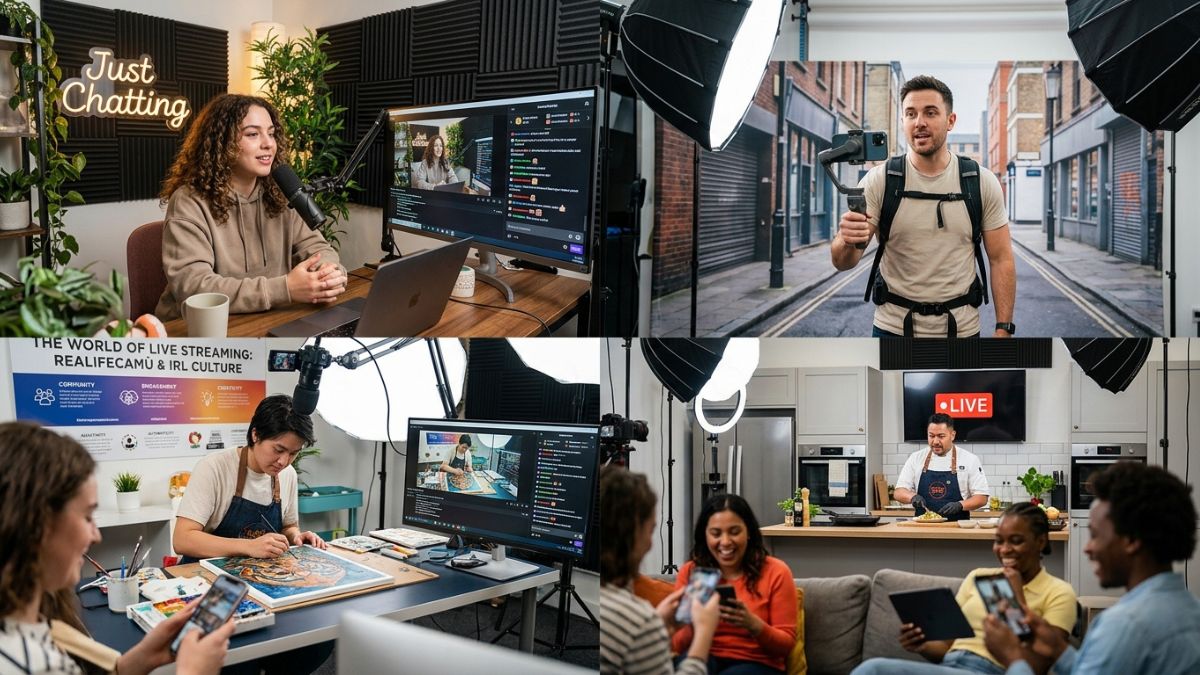
The world of live streaming has taken the internet by storm, transforming how we consume entertainment and connect with others. Realifecamù Among the many platforms available, Realifecamù stands out as a unique player in this burgeoning landscape. Imagine being able to peek into real lives through constantly broadcasting cameras this is exactly what Realifecamù offers.
But what does it mean for participants and viewers alike? Realifecamù Is it simply an intriguing form of modern voyeurism or something deeper? As we delve into the inner workings of Realifecamù, we’ll explore not only its technological aspects but also the societal implications it carries. Join us on this journey to discover how live streaming is reshaping our perceptions and behaviors in today’s digital age.
How Realifecamù Works: Technology and Privacy Concerns
Realifecamù operates through a sophisticated network of webcams, strategically placed in private residences. These devices capture real time footage, broadcasting it live to an online audience. Realifecamù The technology relies on high-speed internet and streaming protocols to ensure seamless transmission. Privacy is a significant concern with platforms like Realifecamù. Many users may not fully grasp the implications of having their lives broadcasted 24/7. Even with consent, boundaries can easily blur between public and private life.
Moreover, data security issues arise as personal information could be exposed or hacked. Users must navigate potential vulnerabilities as they share intimate moments with viewers around the globe. With its allure for some, Realifecamù raises important questions about individual privacy rights in an increasingly connected world. Understanding these concerns is crucial for anyone considering participation in such platforms.
The Rise of Live Streaming and Its Impact on Society
Live streaming has surged in popularity, transforming how we consume content. Platforms dedicated to real-time broadcasting have exploded over the past few years, reshaping entertainment and social interaction. Viewers now crave authenticity, favoring raw moments over polished productions. This shift fosters a sense of community among audiences and creators alike. Realifecamù People connect with streamers on a personal level, blurring the lines between performer and friend.
Businesses also leverage live streaming for marketing strategies — launching products through engaging sessions that invite instant feedback from potential customers. Influencers utilize this medium not just to entertain but also to educate. However, the impact is not solely positive; it raises questions about attention spans and societal norms around privacy and interpersonal relationships. As our lives become increasingly public, understanding these changes is crucial as they redefine engagement in modern society.
The Controversy Surrounding Realifecamù
Realifecamù has sparked intense debate across various circles. Many view it as a groundbreaking platform for unfiltered human connection, while others raise serious moral questions about privacy and consent. Critics often highlight how the constant surveillance can blur the lines of personal space. Realifecamù Participants may not always fully grasp the implications of sharing their lives in real-time with strangers online.
Moreover, there are concerns surrounding exploitation. The ease of access to intimate moments raises ethical dilemmas regarding who benefits from this type of content and at what cost to those involved. Supporters argue that it fosters transparency and authenticity in a world rife with curated personas. However, this perspective doesn’t erase the complexities that come with such exposure. As discussions continue, many are left pondering where to draw boundaries between entertainment and invasion in today’s digital age.
Potential Dangers and Risks for Participants
Participating in live streaming, especially on platforms like Realifecamù, comes with inherent risks. The most pressing concern is the potential for privacy violations. Once a stream goes live, personal moments can be recorded and shared without consent. Additionally, there’s always the threat of harassment from viewers. Realifecamù Negative comments or unwanted attention can affect participants’ mental health. This aspect often gets overlooked but is significant in shaping their experience.
Another danger involves safety issues. Participants may inadvertently reveal their location or other sensitive details during streams, putting themselves at risk of stalking or unwanted encounters. There’s a chance that content could be misinterpreted or manipulated by viewers. Misrepresentation online can lead to consequences that extend beyond the digital world into real life. These factors create an environment where participants must navigate both vulnerability and exposure daily.
Ethics of Live Streaming Personal Lives
The ethics of live streaming personal lives raise significant questions. When individuals broadcast their daily activities, they cross a line between privacy and public exposure. Participants often share intimate moments without fully comprehending the potential repercussions. Realifecamù What seems like harmless fun can lead to unintended consequences that affect relationships and reputations. Consent becomes another gray area. Are family members or friends aware they might be featured in someone’s stream? Their right to privacy should not be overlooked.
Moreover, viewers may struggle with boundaries as well. The accessibility of real-time content blurs the lines of what is acceptable for entertainment versus what intrudes on someone’s personal space. As society navigates this evolving landscape, it’s vital to reflect on moral responsibilities. Questions linger about how much sharing is too much and at what cost comes vulnerability in an increasingly connected world.
Alternatives to Realifecamù for Entertainment
If you’re seeking alternatives to Realifecamù for entertainment, there are plenty of options that offer excitement without the same level of exposure. Consider platforms like Twitch or YouTube Live, where content creators engage with audiences through gaming, vlogs, and tutorials. These spaces provide live interaction while allowing viewers to choose their preferred content.
Social media platforms such as Instagram Live and Facebook Live also allow users to share moments in real-time. They give a more personal glimpse into lives without the intense scrutiny found on dedicated streaming sites. For those who enjoy scripted entertainment, virtual reality experiences can immerse you in new worlds. Games and simulations transport players away from everyday life while ensuring privacy remains intact. Podcasts have seen a surge too. Realifecamù Engaging conversations on various topics can be both entertaining and informative without the visual element that might compromise privacy.
Conclusion:
Realifecamù has carved out a unique niche in the evolving landscape of live streaming. As technology advances, it creates new avenues for connection and entertainment. Yet, this evolution is not without its complexities.
The platform offers an intriguing glimpse into daily lives, challenging our perceptions of privacy and consent. While many users find value in sharing their experiences, others grapple with ethical implications. The fine line between personal sharing and public spectacle often blurs.
It’s essential to acknowledge the potential dangers that come with such exposure. Participants may encounter risks ranging from online harassment to unintended consequences stemming from their live content. This raises questions about responsible consumption as well as production of media.
As society grapples with these issues, alternatives emerge that maintain engagement while respecting boundaries. Platforms that prioritize privacy or curated content offer options for those wary of Realifecamù’s openness.