
 By admin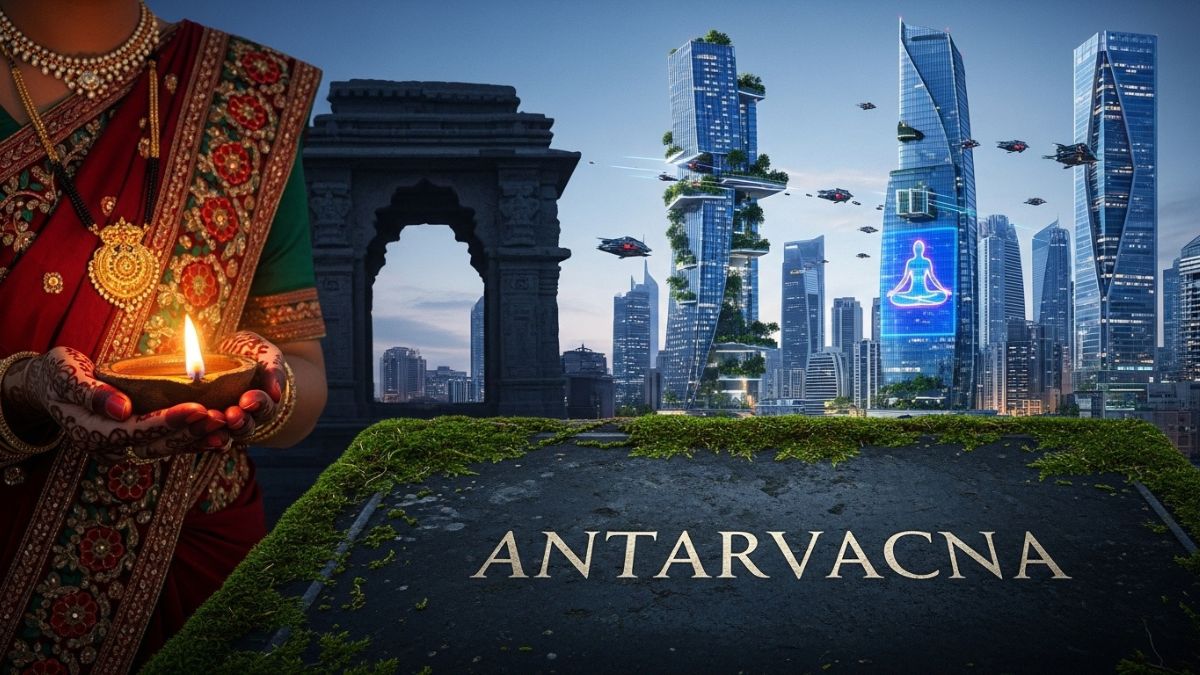
Antarvacna is more than just a concept; it’s a vibrant tapestry woven from the threads of tradition and modernity. As we navigate an increasingly fast-paced world, this fascinating phenomenon offers us a unique lens through which to examine our cultural heritage. It invites us to explore how age-old practices can harmoniously coexist with contemporary values and innovations. In a time where authenticity often seems overshadowed by rapid change, Antarvacna emerges as both a bridge and a beacon—illuminating pathways that connect generations while celebrating the richness of our collective experience. Join us on this journey as we delve into the essence of Antarvacna, uncovering its origins, influences, and significance in today’s society.
The Origins of Antarvacna
Antarvacna has deep roots in the cultural tapestry of various communities. Its origins are often traced back to ancient practices that celebrated both spirituality and connection to nature. Historically, it emerged as a way for people to express their beliefs while embracing local customs. Each region added its unique flair, weaving together traditional rituals with personal interpretations.
As societies evolved, so did Antarvacna. It began adapting elements from neighboring cultures, enriching its framework. This fusion not only preserved age-old traditions but also allowed them to thrive alongside modern influences. The essence of Antarvacna lies in its ability to honor heritage while remaining relevant today. Through storytelling and art forms, it continues to inspire individuals seeking deeper connections within themselves and their communities.
Modern Influences on Antarvacna
Modern influences have significantly shaped the evolution of Antarvacna. As society embraces globalization, traditional practices are often reinterpreted to fit contemporary lifestyles. This fusion breathes new life into age-old customs. Art and fashion industries have also embraced Antarvacna. Designers blend traditional motifs with modern aesthetics to create unique pieces that resonate with younger audiences. This not only preserves cultural heritage but makes it relevant today.
Social media plays a pivotal role in this transformation. Platforms like Instagram showcase artists and creators who celebrate their roots while reaching global viewers. Their work inspires others, fostering a community that values both tradition and innovation. Additionally, education systems increasingly incorporate lessons on cultural heritage, ensuring the next generation understands its significance. Workshops and online courses offer insights into the practices of Antarvacna, making them accessible to all interested learners across various demographics.
Key Features and Elements of Antarvacna
Antarvacna is rich in symbolism and meaning. Its essence lies in the interplay between ancient practices and contemporary expressions. One key feature is its commitment to storytelling. Narratives woven through traditions encapsulate life lessons, cultural values, and communal bonds.
Another vital element is artistry. From intricate crafts to vibrant performances, every manifestation of Antarvacna reflects creativity that resonates with both past and present audiences. Rituals play a central role too. They serve as a bridge connecting generations while adapting to modern lifestyles.
Moreover, inclusivity stands out in Antarvacna’s framework. It embraces diverse voices, allowing for personal interpretations that enrich the tradition further. The adaptability of Antarvacna underscores its relevance today, ensuring it remains a dynamic part of our collective heritage without losing its roots.
Examples of Antavacna in Contemporary Society
Antarvacna manifests in various forms across contemporary life. One striking example is the resurgence of traditional crafts, where artisans blend age-old techniques with modern aesthetics. Handcrafted textiles that feature ancient patterns can be found in trendy boutiques. Culinary arts also showcase Antarvacna. Chefs experiment by incorporating traditional recipes into fusion dishes. This not only preserves cultural heritage but introduces it to new audiences.
Furthermore, festivals celebrate these rich traditions while adapting them for today’s society. Events often include workshops and performances that invite younger generations to engage actively. The digital realm plays a significant role too. Social media platforms allow artists and creators to share their work widely, bridging geographical divides and fostering appreciation for tradition within modern contexts.
The Role of Technology in Preserving Antarvacna
Technology serves as a powerful ally in preserving Antarvacna. Digital platforms allow for the documentation of practices, rituals, and stories that might otherwise fade away. Through social media, younger generations can engage with traditional forms of expression while sharing their interpretations with a global audience. This fosters dialogue between age groups and cultures, ensuring that these traditions remain relevant.
Virtual reality experiences recreate cultural events, allowing people to participate from anywhere in the world. Such innovations create immersive ways to experience heritage without geographic limitations. Additionally, apps dedicated to language preservation provide resources for learning ancient dialects tied to Antarvacna. By making these languages accessible through modern devices, technology ensures they are not lost over time. Artisans also benefit by using e-commerce platforms to showcase their crafts globally. This exposure can lead to renewed interest and demand for traditional skills rooted in Antarvacna’s rich history.
Challenges Faced by Antarvacna and How to Overcome Them
Antarvacna faces several challenges as it strives to maintain its essence in a rapidly changing world. One significant issue is the dwindling interest among younger generations. Traditional practices are often overshadowed by modern entertainment and lifestyles. Another challenge is the loss of authentic practices due to commercialization. When culture becomes commodified, genuine expressions can easily dilute, leading to a disconnection from original meanings.
To combat these issues, community engagement is vital. Workshops and festivals can spark interest in Antarvacna by showcasing its relevance today. Collaboration with educational institutions also plays a crucial role. Schools can incorporate traditional art forms into their curriculum, preserving cultural heritage while inspiring students. Utilizing digital platforms for storytelling offers an innovative solution too. Social media campaigns that highlight Antarvacna’s significance can engage wider audiences and foster appreciation across diverse age groups.
Conclusion:
Antarvacna stands as a testament to the resilience of cultural heritage in an ever-evolving world. By blending traditional practices with modern influences, it creates a unique platform that resonates with both older generations and contemporary audiences. The rich history embedded within Antarvacna reminds us of our roots while encouraging innovation and adaptation. As society continues to change, embracing technology will be crucial for preserving these traditions.
However, challenges remain on this journey. Balancing authenticity with modernization is key to ensuring that Antarvacna remains relevant and vibrant. With thoughtful strategies and community engagement, we can safeguard this invaluable part of our cultural identity for future generations.