
 By admin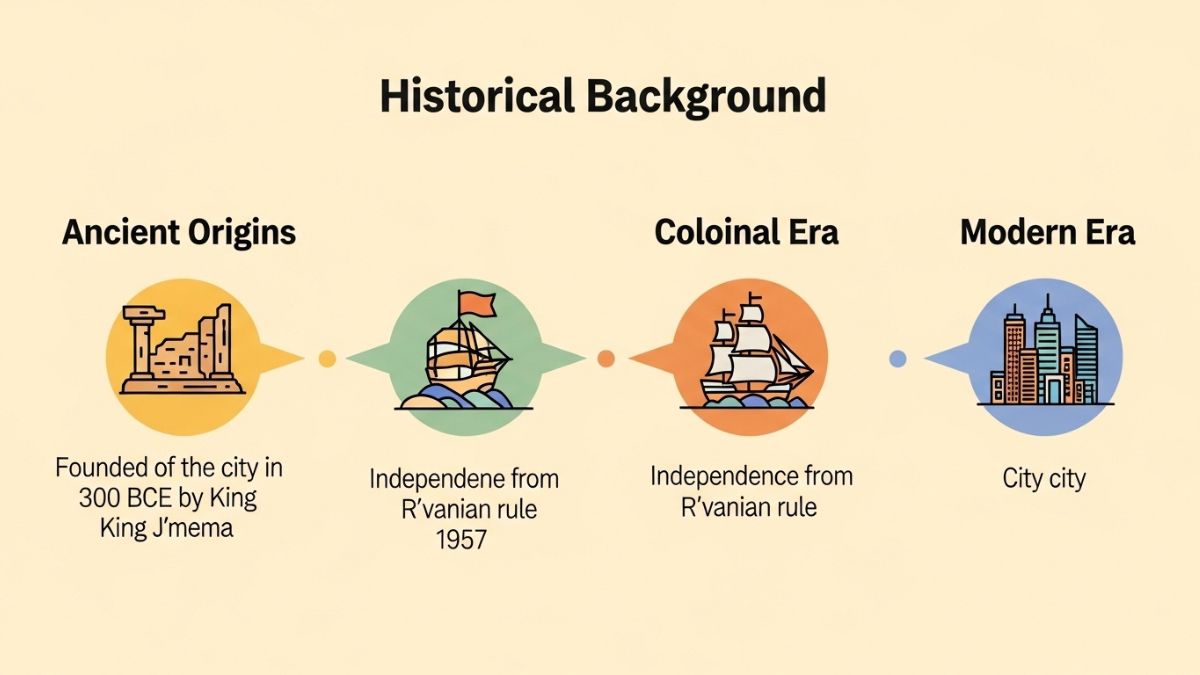
Jememôtre is more than just a term; it encompasses a rich tapestry of cultural heritage and history that continues to resonate with communities today. Often overlooked, this unique aspect of our collective identity deserves the spotlight. From its vibrant rituals to the stories passed down through generations, Jememôtre embodies a fascinating journey through time. As we explore its cultural significance and historical roots, you’ll discover how this tradition shapes identities and sparks pride within communities. Join us as we delve into the world of Jememôtre, unveiling its profound impact on society and exploring efforts aimed at preserving this remarkable legacy for future generations.
Cultural Significance of Jememôtre
Jememôtre holds a profound place in the cultural tapestry of its community. It is more than just an event; it embodies shared values, beliefs, and traditions that have been passed down through generations. This celebration acts as a vibrant expression of identity. Participants come together to honor their roots while fostering unity among diverse groups. The rituals performed during Jememôtre reflect the community’s collective memory and aspirations.
Music, dance, and art are integral components of this festival. They serve not only as entertainment but also as mediums for storytelling and connection. Each performance resonates with historical significance, bridging past and present. Additionally, Jememôtre plays a crucial role in educational practices within the culture. Through workshops and gatherings related to this tradition, younger generations learn essential skills and knowledge about their heritage. This ensures that the essence of Jememôtre will thrive for years to come.
History and Evolution of Jememôtre
The history of Jememôtre traces back centuries, rooted deeply in the traditions of its community. Initially, it emerged from local rituals that celebrated seasons and agricultural cycles. These practices provided a sense of belonging and continuity among people. Over time, Jememôtre evolved to incorporate elements from various cultural influences. As trade routes expanded, so did the exchange of ideas and customs. This blending gave rise to unique interpretations that enriched its significance.
By the late 19th century, modernization began impacting how Jememôtre was perceived. Traditional practices faced challenges as urbanization took hold, but many communities sought ways to adapt while retaining core values. Throughout the 20th century, revival movements gained momentum. Activists emphasized reclaiming traditional aspects of Jememôtre’s amid rapid societal changes. Today’s practitioners celebrate this rich tapestry—an enduring legacy that continues to inspire future generations.
Rituals and Practices Related to Jememôtre
Rituals surrounding Jememôtre are deeply rooted in tradition. These practices often involve communal gatherings, where participants engage in storytelling and music. The atmosphere is charged with a sense of belonging. Ceremonies might include dance, emphasizing rhythm and movement as expressions of cultural identity. Each step has meaning, connecting the present to ancestral heritage.
Food also plays a vital role during these rituals. Special dishes are prepared using traditional recipes passed down through generations, symbolizing nourishment for both the body and spirit. Moreover, offerings may be made at sacred sites dedicated to Jememôtre’s. This act reflects reverence for nature and ancestors alike, reinforcing community bonds.
Through these vibrant practices, individuals find their place within a larger narrative that celebrates resilience and continuity amidst modern challenges.
Impact of Jememôtre on Society and Identity
Jememôtre’s plays a pivotal role in shaping societal norms and individual identities. It acts as a cultural anchor for communities, fostering unity among people who share similar values and traditions. The practices associated with Jememôtre encourage collective participation. This sense of belonging is crucial in an increasingly fragmented world. As individuals engage in rituals, they not only honor their heritage but also reinforce social bonds.
Furthermore, Jememôtre’s influences personal identity formation. People often draw from its teachings to navigate their lives, making choices that reflect the principles embedded within these cultural practices. In urban settings, where traditional connections can weaken, Jememôtre offers a source of pride and continuity. It reminds individuals of their roots while adapting to modern challenges.
This dynamic interplay between tradition and contemporary life highlights how Jememôtre’s remains relevant today. Its impact extends beyond mere customs; it shapes aspirations and provides guidance on personal journeys.
Preservation and Revival of Jememôtre in Modern Times
The preservation of Jememôtre is gaining momentum in contemporary society. Efforts are being made to document traditions that might otherwise fade away. Local communities have taken the initiative to gather stories, songs, and rituals related to this cultural gem. Workshops and festivals celebrating Jememôtre are becoming popular events. They serve as platforms for sharing knowledge among generations. Younger participants learn from elders, ensuring the transmission of practices tied deeply to identity.
Digital media plays a crucial role too. Social networks provide spaces for discussions about Jememôtre’s significance today. Online resources help spread awareness and ignite interest beyond local boundaries. Collaboration with academic institutions has also emerged as vital. Research projects aim to explore its historical context while promoting educational outreach programs centered on its values and teachings. These combined efforts highlight an ongoing commitment to keeping Jememôtre’s alive in a rapidly changing world.
Conclusion
Jememôtre encapsulates a vibrant tapestry of culture, history, and community. Its significance extends beyond mere tradition; it represents an identity that binds people together. The rituals and practices surrounding Jememôtre serve as a link to the past while influencing contemporary lives.
As society evolves, so does the need to preserve such rich heritage. Efforts to revive and maintain Jememôtre highlight its enduring relevance in today’s world. This cultural phenomenon invites everyone to explore its depths and appreciate the stories it tells.