



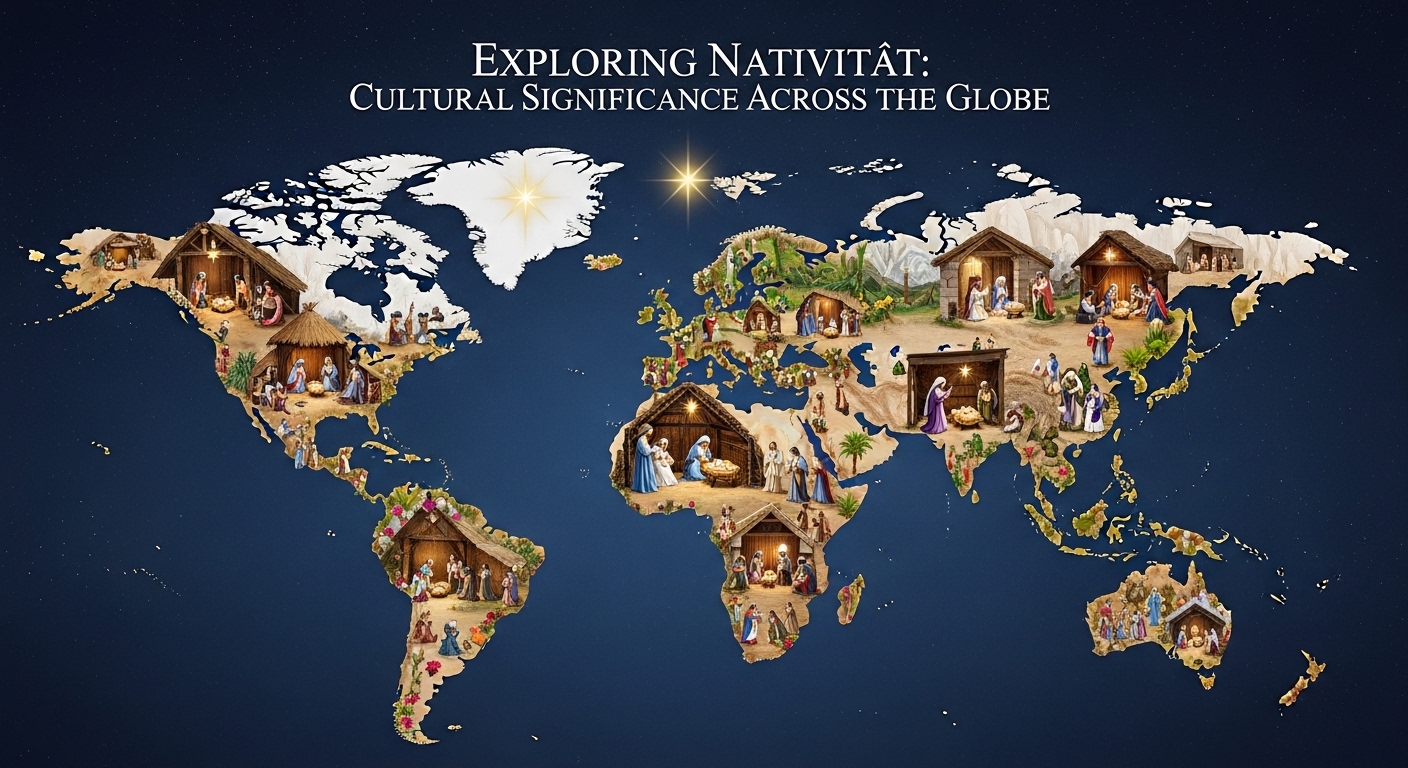
Nativität, a term that resonates deeply with cultural heritage and spiritual significance, is celebrated across the globe. From vibrant festivals to quiet family gatherings, this concept embodies more than just a date on the calendar; it represents traditions that have been passed down through generations. As we delve into the rich tapestry of Nativität celebrations, we’ll uncover not only their origins and history but also the unique customs that make each culture’s observance special. Join us as we embark on this journey to explore how Nativität unites communities worldwide while honoring their distinct identities.
Origins and History of Nativität Celebrations
The origins of Nativität celebrations can be traced back to early Christian traditions. These festivities mark the birth of Jesus Christ, embodying hope and renewal for many.
In the fourth century, December 25th was chosen as the date to celebrate this significant event. The timing coincided with existing pagan winter festivals, making it easier for communities to embrace Christianity.
Over centuries, various customs emerged across Europe and beyond. Each region adapted Nativität in unique ways while retaining its core spiritual significance.
Nativity scenes became a beloved tradition in churches and homes alike, depicting the holy family’s humble beginnings. These displays often reflect local artistic styles and cultural elements.
As societies evolved, so did their interpretations of Nativität. New symbols and practices were incorporated into celebrations, enriching their history even further throughout generations.
Common Traditions and Customs Associated with Nativität
Nativität celebrations are rich with diverse traditions that reflect local cultures. Central to many festivities is the nativity scene, or crèche, depicting the birth of Jesus. Families often create these displays at home, showcasing figurines representing Mary, Joseph, and the shepherds.
Caroling is another cherished custom seen in various countries. Groups gather to sing traditional songs that tell the story of Christ’s birth and spread joy throughout communities.
In some regions, it’s customary to light candles on Advent wreaths as a way to count down to Christmas Day. Each candle symbolizes hope and faith during this reflective time.
Feasting plays a significant role too. From hearty meals featuring regional specialties to sweet treats like gingerbread cookies, food brings families together for celebration and gratitude.
Gift-giving also finds its place in Nativität customs. It embodies generosity and love—values emphasized during this festive season across cultures worldwide.
Nativität Around the World: A Look at Different Countries’ Celebrations
Nativität celebrations vary widely across the globe, each culture adding its unique flair. In Mexico, Las Posadas is a vibrant tradition that recreates Mary and Joseph’s search for shelter. Participants go door-to-door in festive procession, singing carols.
In Italy, families gather around the Nativity scene or “Presepe.” This beautiful display often includes intricate figurines representing various characters from the Christmas story.
Moving to Spain, you’ll find lively festivities like La Navidad where children sing traditional carols called villancicos. The celebration culminates with a feast on January 6th known as El Día de los Reyes.
Meanwhile, in Ethiopia, Nativität falls on January 7th according to the Julian calendar. It’s marked by an all-night church service followed by communal feasting filled with diverse dishes that reflect local flavors.
These global variations highlight how cultures interpret and embrace this sacred occasion uniquely while sharing similar themes of hope and community.
Similarities and Differences Between Cultures in Nativität Celebrations
Nativität celebrations reveal a rich tapestry of shared themes and distinct practices across cultures. In many countries, the focus remains on family gatherings and communal worship. The essence of togetherness is palpable in these festivities.
Take Mexico, for instance. Posadas are a hallmark tradition, where families reenact Mary and Joseph’s search for shelter. This integration of storytelling into celebration fosters community bonds.
In contrast, Italy showcases its traditions through elaborate nativity scenes known as “presepi.” These intricate displays aren’t merely decorative; they narrate local history alongside the sacred story.
Yet, while some customs stand apart—like Germany’s Advent calendars or Spain’s unique Caga Tió—they often share common symbols like stars and shepherds.
These similarities highlight universal values such as hope and renewal, even amidst diverse expressions of faith and culture. Each region enriches Nativität with their flavors while holding tight to shared ideals that resonate globally.
Modern Adaptations and Evolutions of Nativität Celebrations
Nativität celebrations have undergone significant transformations in recent years. As society evolves, so do the ways we honor this cherished tradition.
In many urban areas, traditional nativity scenes have been replaced with modern interpretations. Artisans are creating stunning installations that incorporate diverse cultural elements. These variations reflect local customs while keeping the spirit of Nativität alive.
Technology has also played a role in these adaptations. Virtual reality experiences and online interactive nativity displays allow people to engage from anywhere in the world. This reach fosters a broader appreciation for different traditions associated with Nativität.
Social media platforms now serve as vibrant spaces for sharing celebrations and stories related to Nativität. Families post images of their unique decorations or reenactments, creating a sense of community across distances.
As generations embrace change, they continue to find new meanings within this timeless celebration, ensuring its relevance for future audiences.
Preserving the Cultural Importance of Nativität for Future Generations
As societies evolve, preserving the essence of Nativität becomes increasingly important. This celebration holds deep cultural roots that connect generations.
Engaging younger audiences is essential for passing down traditions. Interactive storytelling can ignite interest in these age-old customs. Workshops and community events provide hands-on experiences, making history come alive.
Incorporating technology also plays a role in preservation. Virtual reality tours of traditional celebrations or digital art inspired by Nativität can captivate a modern audience.
Families should embrace rituals at home, ensuring these practices are woven into daily life. Sharing stories during gatherings encourages dialogue about their significance.
Encouraging artistic expressions, from music to crafts related to Nativität, allows individuals to reinterpret and celebrate their heritage creatively while keeping the spirit intact for years to come.
conclusion
Nativität celebrations offer a rich tapestry of cultural significance that spans the globe. As we explored, these traditions are deeply rooted in history and community values. From the humble nativity scenes set up in homes to grand celebrations filled with music and dance, each culture brings its own flavor to this cherished event.
While many customs share common themes—such as family gatherings and acts of kindness—each country adds unique elements that reflect its heritage. These diverse expressions enrich our understanding of Nativität and remind us of our shared humanity.
As times change, so too do these rituals. Modern adaptations keep the spirit alive while ensuring relevance for younger generations. Social media now plays a role in how families connect over their traditions, creating new memories even from afar.
Preserving the essence of Nativität is crucial for future generations. It’s not only about recalling past practices but also about instilling values like compassion and togetherness within communities worldwide.
Celebrating Nativität goes beyond religious observance; it fosters connections among people from different backgrounds. Embracing this diversity can lead to greater appreciation for one another’s cultures while reinforcing universal messages of love and joy during this special time.