
 By admin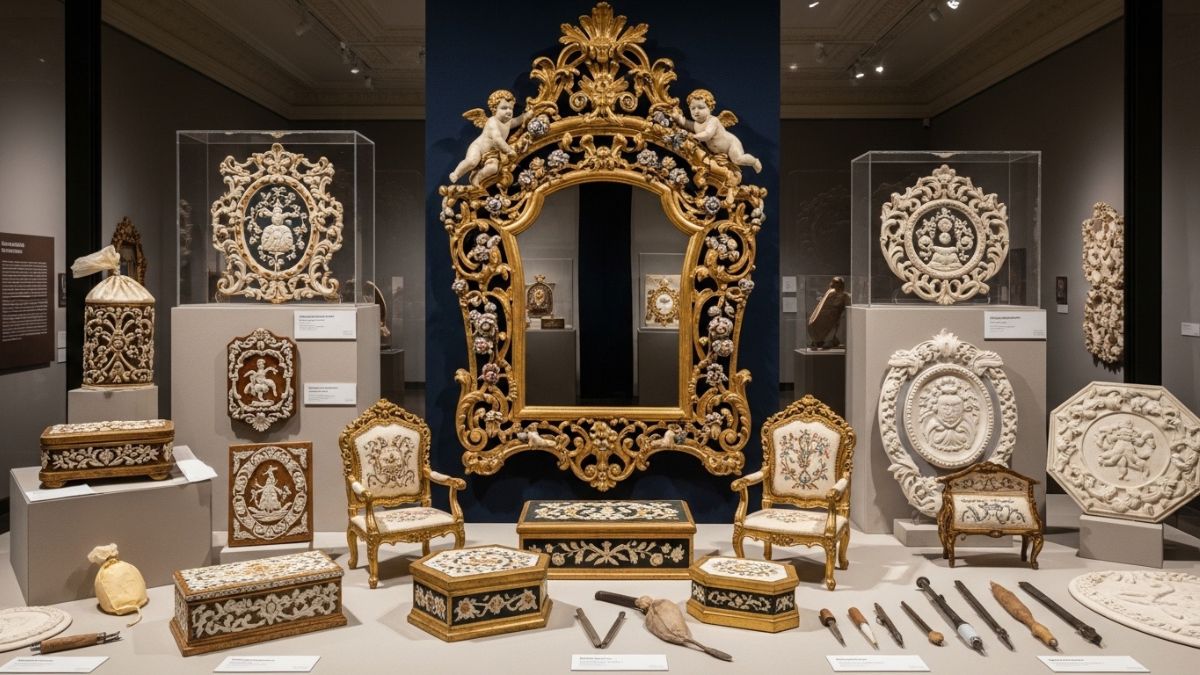
Gessolini is more than just a medium; it’s an enchanting blend of artistry and craftsmanship that has captured the hearts of creators for centuries. Imagine intricate designs coming to life, each piece telling a story woven through layers of texture and color. This unique craft invites exploration into its rich history, meticulous creation process, and the talented hands that have brought it to fruition. Whether you’re an artist seeking inspiration or simply someone fascinated by the world of art, Gessolini offers a captivating journey worth embarking on. Let’s dive deeper into this exquisite tradition that continues to inspire and innovate in contemporary design!
The Origins and History of Gessolini
Gessolini traces its roots back to ancient Italy, where artisans first experimented with plaster-like materials. This unique craft emerged as a blend of art and functionality, gaining popularity in the Renaissance period. In those times, gesso was favored by painters for creating textured surfaces on wooden panels. Artists sought innovative ways to enhance their work, leading to the refinement of gessolini techniques.
As centuries passed, this versatile medium found its way into sculpture and decorative arts. The delicate nature of gessolini allowed for intricate details that captivated audiences. Notable artists embraced it as part of their creative toolkit. They recognized how it could add depth and dimension to both two-dimensional paintings and three-dimensional sculptures alike. Today, gessolini continues to be celebrated not just for its beauty but also for its historical significance in shaping artistic expression across generations.
The Process of Making Gessolini
Creating Gessolini is a meticulous art that blends tradition with craftsmanship. The journey begins with selecting high-quality raw materials, primarily gypsum plaster. This choice is crucial for achieving the desired texture and finish. Once the materials are gathered, artisans mix them with water to create a smooth paste. This mixture must be consistent; too thick or too thin can disrupt the final outcome.
Next comes shaping the Gessolini using molds or by hand. Artists skillfully manipulate the plaster, allowing their creativity to flow through each piece they craft. Attention to detail is essential during this stage. After molding, pieces are left to dry slowly in controlled conditions. This careful drying process prevents cracks and ensures durability. Once dried, finishing touches—like sanding and painting—bring each creation to life, highlighting its unique features and characteristics.
The Unique Features and Characteristics of Gessolini
Gessolini’s stands out due to its remarkable texture and versatility. This unique craft combines the elegance of traditional techniques with modern aesthetics, making it a favorite among artisans. One of its distinctive features is the smooth finish achieved through careful layering. Each piece reflects light in captivating ways, enhancing visual depth.
The material itself often incorporates natural pigments, adding richness to colors that are vivid yet soft on the eyes. This organic approach gives gessolini an authentic charm. Another characteristic is its adaptability; artists can shape it into intricate designs or broader forms. Whether for sculpture or decorative elements, gessolini seamlessly integrates into various styles. The longevity of gessolini’s pieces is impressive. With proper care, they endure through time while retaining their original beauty and appeal.
The Uses and Applications of Gessolini in Art and Design
Gessolini is gaining traction in various segments of art and design. Its unique texture and finish make it a favorite among sculptors seeking to create striking pieces. Artists often utilize gessolini’s as a base for painting. The smooth surface allows colors to pop, enhancing the vibrancy of the artwork. This combination results in captivating visual experiences.
Interior designers have also embraced gessolini for decorative elements. Whether used on walls or as accents in furniture, its versatility adds an elegant touch to spaces. Furthermore, artisans leverage gessolini’s in mixed media projects, where layering different materials can elevate their creations. It serves not only as a medium but also as a storytelling component. The craft’s adaptability means that it finds applications beyond traditional art forms, inspiring innovation across industries that value aesthetics and craftsmanship alike.
Famous Artists Who Use Gessolini in Their Work
Gessolini has captured the imagination of many contemporary artists. Its versatility and texture make it a favorite in various art forms. One prominent artist known for incorporating Gessolini’s is Carla Fava. Her delicate sculptures showcase the material’s ability to transform light, creating ethereal effects that draw viewers in. Another notable figure is Marco Rossi, who blends traditional techniques with modern themes. His paintings often feature Gessolini as an underlayer, giving depth and richness to his vibrant colors.
Emerging talents are also exploring this medium. Artists like Jenna Lee experiment with Gessolini’s in mixed media projects, pushing boundaries and redefining artistic expression. These creators highlight how Gessolini can be more than just a material; it’s a bridge between history and innovation in the art world. Each piece tells a story, blending tradition with personal vision.
How to Create Your Own Gessolini Pieces
Creating your own Gessolini’s pieces can be an exciting journey into artistry. Start by gathering your materials: fine plaster, pigments for coloring, and essential tools like sculpting knives and molds. Begin with the mixing process. Combine the plaster with water to achieve a smooth consistency. Experiment with different pigment ratios to create unique shades that reflect your style. Once mixed, pour the plaster into molds or shape it by hand. Work quickly; Gessolini sets fast!
After you form your piece, let it dry completely before adding details or finishing touches. Sandpaper can help refine edges for a polished look. Consider adding textures or layering colors for depth in your design. This adds character and interest to each creation you make. Don’t forget to protect your work with sealants if desired—this enhances longevity while showcasing its beauty.
Conclusion:
Gessolini is a remarkable blend of artistry and craftsmanship that pays homage to its rich history. Its unique characteristics make it a sought after medium for artists and designers alike. The intricate process involved in creating Gessolini adds depth and texture, resulting in pieces that captivate the eye.
From historical applications to modern uses, Gessolini has proven its versatility across various art forms. It continues to inspire contemporary creators who recognize the beauty of this time-honored craft.