
 By admin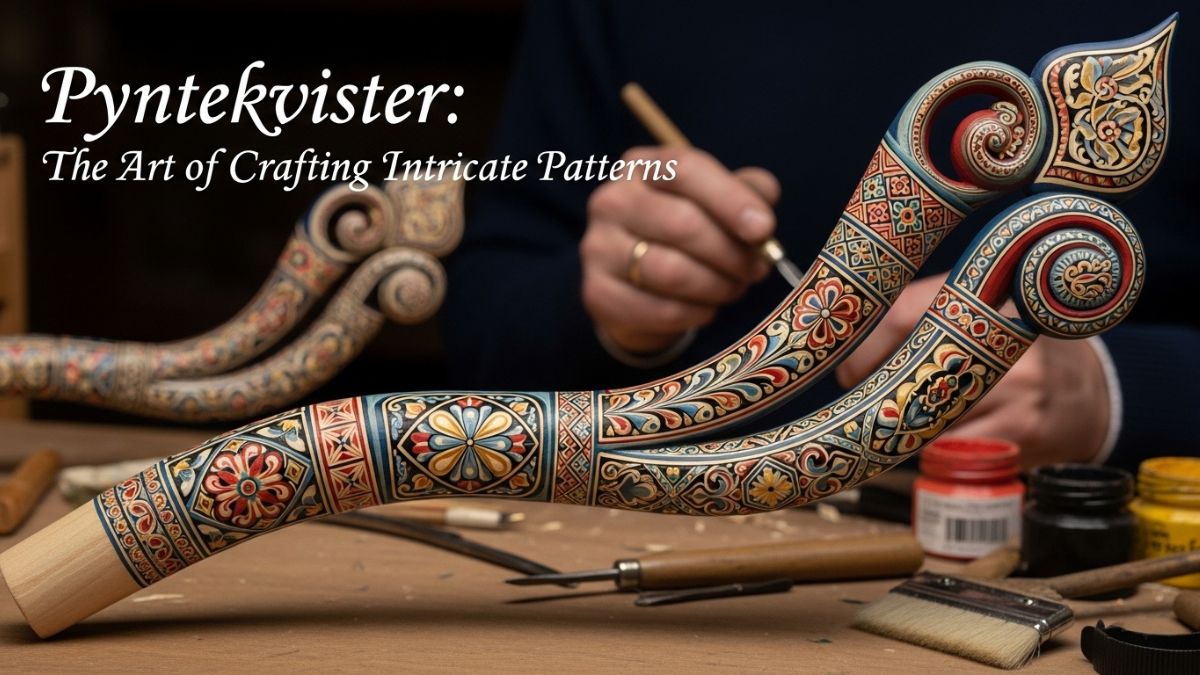
Pyntekvister is more than just a craft; it’s a celebration of creativity and tradition. With roots steeped in Scandinavian heritage, this intricate art form transforms simple materials into stunning patterns that capture the imagination. Each twist and turn tells a story, inviting you to explore your artistic side while connecting with cultural history. Whether you’re looking for a new hobby or simply want to create something beautiful, Pyntekvister offers an exciting journey into the world of design. Get ready to let your hands guide you as we dive deep into crafting these mesmerizing patterns!
Materials needed for creating Pyntekvister patterns
Creating stunning Pyntekvister patterns requires a few essential materials to bring your artistic vision to life. Start with quality paper or cardstock. Choose vibrant colors for added flair, as this will enhance the overall design of your pattern.
Next, gather some sharp scissors or a craft knife for precise cuts. A steady hand is crucial when crafting intricate designs. You’ll also need an adhesive such as glue or double-sided tape to secure your pieces together seamlessly. This ensures that everything stays in place during and after construction.
Don’t forget about a ruler and pencil for measuring and marking guidelines on your paper. Precision makes all the difference in achieving those stunning details. Consider adding embellishments like beads, sequins, or glitter for extra texture and sparkle. Personal touches elevate any Pyntekvister project into something truly special!
Step-by-step guide on how to create a basic Pyntekvister design
Start with a clean workspace. Gather your materials: vibrant colored papers, a sharp pair of scissors, and some glue. Begin by cutting strips of paper. Aim for different widths to add depth to your design. A mix of colors will make your pattern pop. Next, take one strip and fold it in half lengthwise. This creates a guide for placing other strips. Lay down the first folded strip on your base surface. Secure it at both ends using glue.
Continue adding more strips in various angles, weaving them together as you go along. Experiment with shapes like circles or triangles to enhance the intrigue. As you layer, ensure each piece is firmly glued down but keep some spaces open for contrast. Once satisfied with your arrangement, let everything dry completely before displaying your creation!
Different variations and applications of Pyntekvister
Pyntekvister offers endless possibilities for creativity. Artists often explore various styles, from geometric patterns to whimsical designs, allowing personal expression in every piece. One popular variation includes the use of color gradients. This technique adds depth and dimension, transforming simple patterns into vibrant visuals.
Additionally, Pyntekvister can be adapted for different projects. It’s not just limited to paper crafts; some enthusiasts even create intricate wall art or textile prints using these complex designs. Many crafters incorporate mixed media techniques as well. Combining traditional materials with digital elements opens new avenues for experimentation. The adaptability of Pyntekvister also extends to seasonal decorations and themed events. Whether it’s festive motifs or elegant motifs for weddings, there is a unique design waiting to be crafted for any occasion.
The therapeutic benefits of Pyntekvister crafting
Crafting Pyntekvister offers more than just a creative outlet. It serves as a peaceful escape from the hustle of daily life. The repetitive motions involved can lead to a meditative state, allowing your mind to unwind. As you focus on intricate patterns, stress levels drop significantly. This mindfulness aspect enhances mental clarity and fosters relaxation.
Pyntekvister also encourages self-expression. Each design tells a unique story, reflecting personal experiences or emotions. Engaging in this art form boosts confidence and nurtures creativity. Moreover, it provides an opportunity for social connection when shared with friends or family. Collaborating on projects strengthens bonds while creating cherished memories together. The tactile experience of working with materials engages the senses, grounding you in the present moment. This sensory engagement can be incredibly soothing and fulfilling at once.
Tips and tricks for beginners
Starting your journey with Pyntekvister can be both exciting and a bit daunting. Here are some helpful tips to ease you into this intricate art. Begin with simple shapes. Squares and triangles offer a great foundation for your designs. As you gain confidence, slowly introduce more complex patterns. Don’t hesitate to explore various materials. Experimenting with colored paper or different textures can bring unexpected beauty to your work.
Set up a comfortable workspace that inspires creativity. Good lighting and organization will make the process enjoyable rather than stressful. Practice patience; crafting takes time to master! Take breaks if needed, allowing fresh ideas to flow when you return. Connect with other crafters online or in local groups. Sharing experiences and techniques enriches your skills while building community support around this art form.
Conclusion:
Pyntekvister is more than just a craft; it’s an intricate dance of creativity and patience. This art form not only connects us to its rich historical roots but also invites us to explore our own artistic expressions. By understanding the materials needed and following the step-by-step guide, anyone can dive into this captivating world.
As you experiment with different designs and variations, you will find that Pyntekvister has a unique way of calming the mind while engaging the senses. The therapeutic benefits are profound, making it an excellent choice for those looking to unwind or seek solace in their hobbies.
For beginners venturing into Pyntekvister crafting, remember that practice makes perfect. Embrace your mistakes as part of your journey toward mastery. With time, you’ll develop your style and perhaps even inspire others along the way.