
 By admin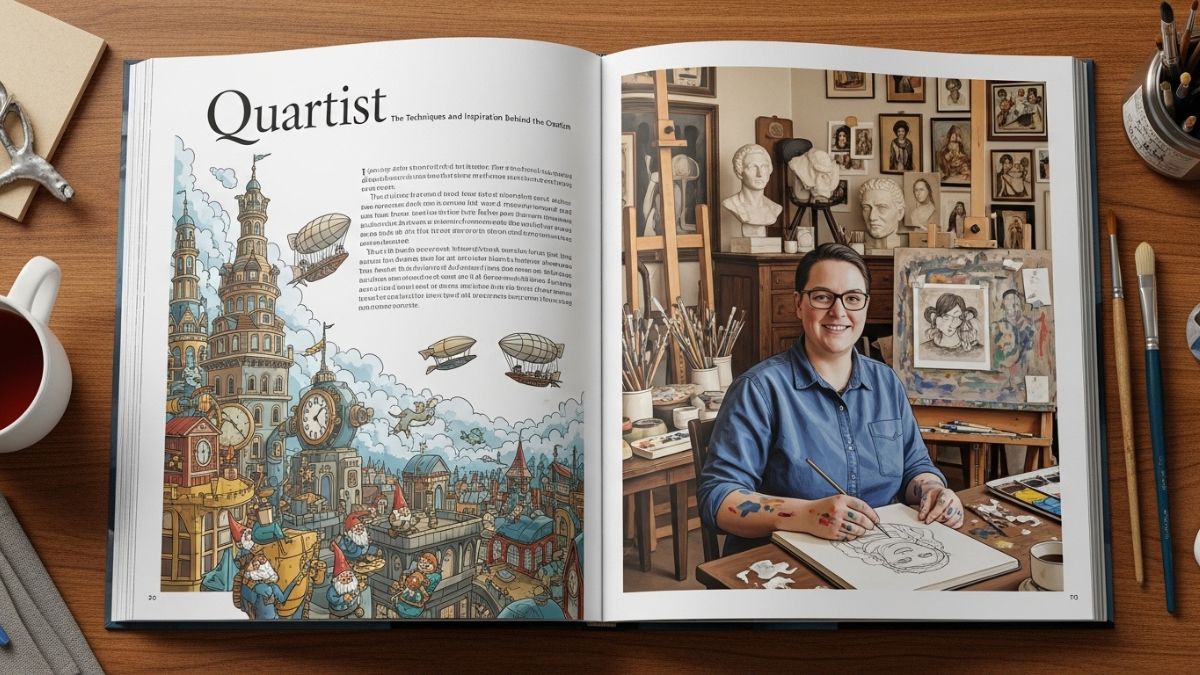
Quartist is not just a term; it’s an exhilarating blend of creativity and expression that captivates the senses. This unique art form invites us to explore the boundaries of imagination through its vivid colors, intricate patterns, and innovative techniques. Whether you’re an art aficionado or someone simply curious about creative expressions, Quartist offers something fresh and exciting.
As we delve into this dynamic world, you’ll discover how Quartist has evolved over time, what techniques bring it to life, and the deep inspiration drawn from nature and human emotions. Prepare yourself for a journey that celebrates both tradition and contemporary flair in the realm of artistry. Let’s uncover what makes Quartist so special!
The History and Evolution of Quartist
Quartist has a rich and diverse history that traces back to the early 20th century. This unique art form emerged as artists began experimenting with various mediums, blending traditional techniques with innovative methods. Initially influenced by movements like surrealism and abstract expressionism, Quartist evolved through the decades. Artists sought new ways to express complex ideas and emotions, leading to a fusion of styles that challenged conventional boundaries.
As technology progressed, so did Quartist. The introduction of digital tools opened up fresh avenues for creativity. This evolution allowed artists to explore themes in unprecedented ways, expanding their visions beyond canvas limitations. Cultural influences also played a significant role in shaping Quartist’s trajectory. Each artist brought their personal experiences into their work, creating pieces reflective of societal changes and emotional landscapes throughout history.
Techniques Used in Quartist
Quartist combines a variety of techniques that make it distinct. Layers play a crucial role in this art form. Artists often build depth by applying multiple layers of color and texture, creating an immersive experience for the viewer. Brushwork is another important aspect. Each stroke can convey emotion or energy, giving life to the artwork. Some artists prefer bold strokes, while others opt for delicate touches—both methods yield unique results.
Incorporating mixed media adds further dimension to Quartist pieces. This technique encourages experimentation with materials such as paper, fabric, or even found objects. It allows creators to explore new avenues and push boundaries. The use of natural elements also enhances the visual narrative in Quartist works. Incorporating organic materials can evoke emotions tied to nature’s beauty and complexity, making each piece resonate on a deeper level with its audience.
Exploring Different Styles and Themes in Quartist
Quartist is a vibrant art form that embraces diversity in styles and themes. Each piece invites viewers to explore unique interpretations, making it endlessly fascinating. Abstract forms often take center stage, showcasing bold colors and dynamic shapes. These works allow artists to express complex emotions without the constraints of realism.
Conversely, some quartists draw inspiration from cultural narratives. They incorporate traditional motifs and symbols, weaving stories through their compositions. This blend of history and modernity creates a rich tapestry of meaning. Nature also plays a significant role in this art form. Artists capture landscapes or flora with intricate designs that reflect the beauty around us. Emotions are another driving force behind quartist creations. Whether it’s joy or sorrow, these artworks resonate deeply with audiences, inviting personal reflections on life’s experiences.
The Inspiration Behind Quartist – From Nature to Emotions
Quartist draws its inspiration from a vast array of sources. Nature often takes center stage, with vibrant colors and organic forms influencing many artists. The intricate patterns found in leaves, flowers, and landscapes spark creativity. Emotions play a crucial role as well. Artists channel their feelings into their work, transforming joy, sorrow, or nostalgia into visual narratives. This connection to personal experiences can make each piece profoundly relatable.
Cultural influences also shape Quartist creations. Traditions and stories passed down through generations infuse artworks with rich meaning. Artists explore these themes through unique interpretations. Every brushstroke tells a story—one that resonates on multiple levels. Whether it’s the tranquility of a serene forest or the chaos of urban life, Quartist encapsulates the diverse tapestry of human experience and nature’s beauty in every creation.
How to Create Your Own Quartist Masterpiece
Creating your own Quartist masterpiece starts with embracing your unique vision. Begin by gathering inspiration from various sources, whether it’s nature, emotions, or the world around you. Let these elements stir your imagination. Next, choose your materials. You can experiment with traditional mediums like acrylics and watercolors or delve into digital art platforms. Each medium brings its own texture and depth to your work.
Sketch out a rough draft of what you envision. Don’t hesitate to play around with different shapes and colors; spontaneity often leads to unexpected beauty in Quartist creations. As you paint or draw, focus on layering techniques. Building up textures will give more life to your piece. Remember that imperfections can add character—embrace them as part of the artistic journey. Don’t rush the process. Allow yourself time for reflection and adjustment until you feel satisfied with the result.
Conclusion:
Quartist represents a unique and evolving art form that captures the imagination. Its rich history blends various influences, leading to an exciting fusion of styles and techniques. Artists draw from both traditional practices and contemporary innovations, creating pieces that resonate with viewers on many levels.
The techniques used in quartist are diverse, ranging from intricate brushwork to digital manipulation. Each artist brings their own flair, contributing to a vibrant tapestry of creativity. This diversity allows for endless exploration within the medium.
Themes often reflect personal experiences or broader cultural narratives. Nature serves as a frequent muse, while emotions play an essential role in conveying deeper messages through color and form. The beauty of quartist lies not only in its visual appeal but also in the stories it tells.