
 By admin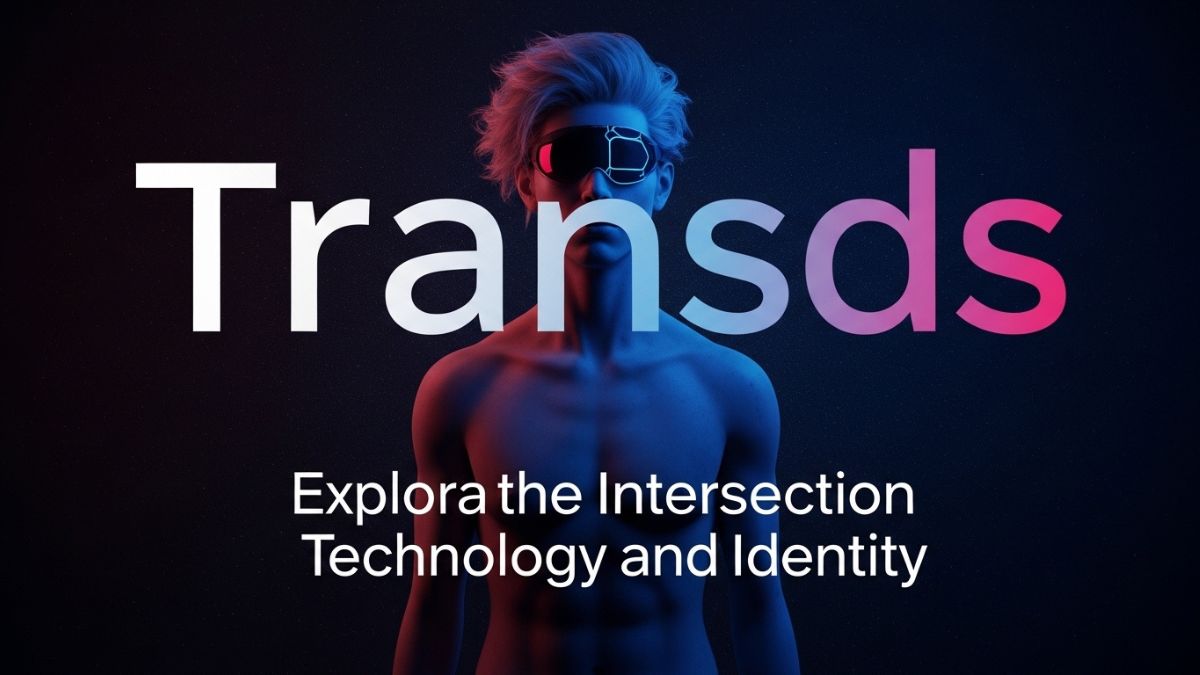
In a world increasingly shaped by digital interactions, the question of identity has taken on new dimensions. The concept of “Transds” emerges as a fascinating intersection where technology meets personal identity, particularly within the transgender community. As we navigate this ever-evolving landscape, it’s essential to understand how our online presence and technological advancements influence who we are and how we express ourselves.
From social media platforms that allow individuals to curate their identities to apps designed for support and connection, technology is reshaping narratives around gender. This exploration leads us deeper into understanding what it means to be authentically oneself in an age dominated by screens and bytes. Let’s dive into this intriguing realm of Transds and discover its implications for individual expression and community building.
What is Transds?
Transds is a term that encapsulates the convergence of transgender identities and digital spaces. It reflects how technology influences the way individuals express their gender identity in contemporary society. With social media, forums, and apps at our fingertips, Transds serves as a platform for exploration and connection. Here, people can share experiences, seek support, and find community without geographical boundaries.
The essence of Transds lies in its ability to empower users. It allows them to navigate their identities on their terms—whether through avatars or personalized profiles. This online presence can foster acceptance and understanding within both individual journeys and broader societal contexts. In many ways, Transds embodies resilience—a response to challenges faced by the transgender community. As technology evolves, so too does the landscape of identity formation through these digital lenses.
Understanding Identity and Technology
Identity is a complex concept, shaped by personal experiences and societal influences. In today’s digital age, technology plays a pivotal role in how we perceive ourselves and others. Social media platforms enable users to craft curated identities. Profiles often reflect idealized versions of ourselves. This can lead to both empowerment and disillusionment.
Virtual spaces also allow marginalized groups, like the transgender community, to find acceptance. Online forums foster connections that might be challenging in face-to-face interactions. However, the digital landscape isn’t without pitfalls. The pressure to conform to online ideals can distort one’s sense of self. As technology evolves, it continuously reshapes our understanding of identity. It blurs boundaries between who we are offline and online, inviting us to explore new facets of ourselves while navigating challenges along the way.
The Impact of Technology on Identity Formation
Technology plays a vital role in shaping how individuals perceive their identities. Social media platforms, for example, allow users to curate their online personas. These curated identities can reflect aspirations or authentic selves. Through digital interactions, people explore diverse facets of identity that may not be visible in their offline lives. This exploration fosters a sense of community and belonging among those who share similar experiences.
However, the impact is not universally positive. The pressure to conform to societal standards on these platforms can lead to anxiety and self-doubt. Individuals often compare themselves against idealized images. Furthermore, technology also presents opportunities for expression and activism. Many use it as a tool to advocate for rights and visibility within marginalized communities, including transgender individuals navigating complex identity landscapes. Thus, the intersection of technology and identity remains dynamic and multifaceted.
Positive Effects of Transds on the Transgender Community
Transds has created a transformative space for the transgender community. It empowers individuals to express their identities freely and authentically, utilizing technology as a tool of liberation. Social media platforms serve as safe havens where trans voices can be heard. These digital spaces foster connections that may not exist in offline environments. They provide support networks, vital for mental health and well-being.
Additionally, tech innovations like virtual reality offer immersive experiences that help people explore their gender identity in new ways. This engagement can boost confidence and self-acceptance. Transds also plays a crucial role in increasing visibility. By sharing personal stories online, transgender individuals challenge stereotypes and educate others about their experiences. Moreover, advancements in healthcare technology improve access to necessary medical resources. Telehealth services allow for easier consultations with specialists who understand trans-specific needs.
Challenges and Controversies Surrounding Transds
Transds, while innovative, is not without its challenges. One major issue lies in privacy concerns. As technology becomes more integrated into identity exploration, safeguarding personal information remains crucial. Many fear that their data could be misused or exposed. Another significant challenge revolves around representation. The tech industry often struggles with diversity, leading to tools and solutions that may not fully address the needs of all individuals within the transgender community.
Controversies also arise from differing opinions on how technology should interact with gender identity. Some advocate for complete digital autonomy, while others emphasize the importance of support systems beyond screens. Moreover, access to these technologies can be uneven. Economic disparities mean that not everyone has equal opportunities to benefit from advancements in Transds. This inequality raises questions about who gets a voice in shaping future developments and who gets left behind.
The Future of Transds and its Role in Promoting Inclusivity
The future of Transds is poised to reshape our understanding of identity in profound ways. As technology continues to evolve, so does its ability to support diverse identities. Innovations like virtual reality and AI are paving the way for more immersive self-exploration. These tools can empower individuals by providing safe spaces where they can express themselves freely. They foster connections among diverse communities across geographical boundaries, promoting a sense of belonging.
Moreover, advancements in social media platforms create opportunities for marginalized voices to be amplified. This visibility fosters empathy and understanding within society at large. As technology becomes increasingly integrated into daily life, it encourages ongoing discussions about inclusion. The potential for tailored resources and educational initiatives will play a significant role in dismantling stereotypes surrounding gender identity. With thoughtful implementation, Transds could lead us toward a more accepting world where everyone feels valued and understood.
Conclusion
Transds represent an exciting frontier where technology and identity converge. This innovative approach to self-identification empowers individuals, particularly in the transgender community, by providing tools for expression and connection. Technology has changed how we understand ourselves and each other, helping bridge gaps that previously felt insurmountable.
While there are challenges to navigate—ranging from privacy concerns to societal acceptance—the potential benefits of Transds cannot be overlooked. The positive impact on identity formation allows for personal narratives to flourish, fostering a sense of belonging within diverse communities.