
 By admin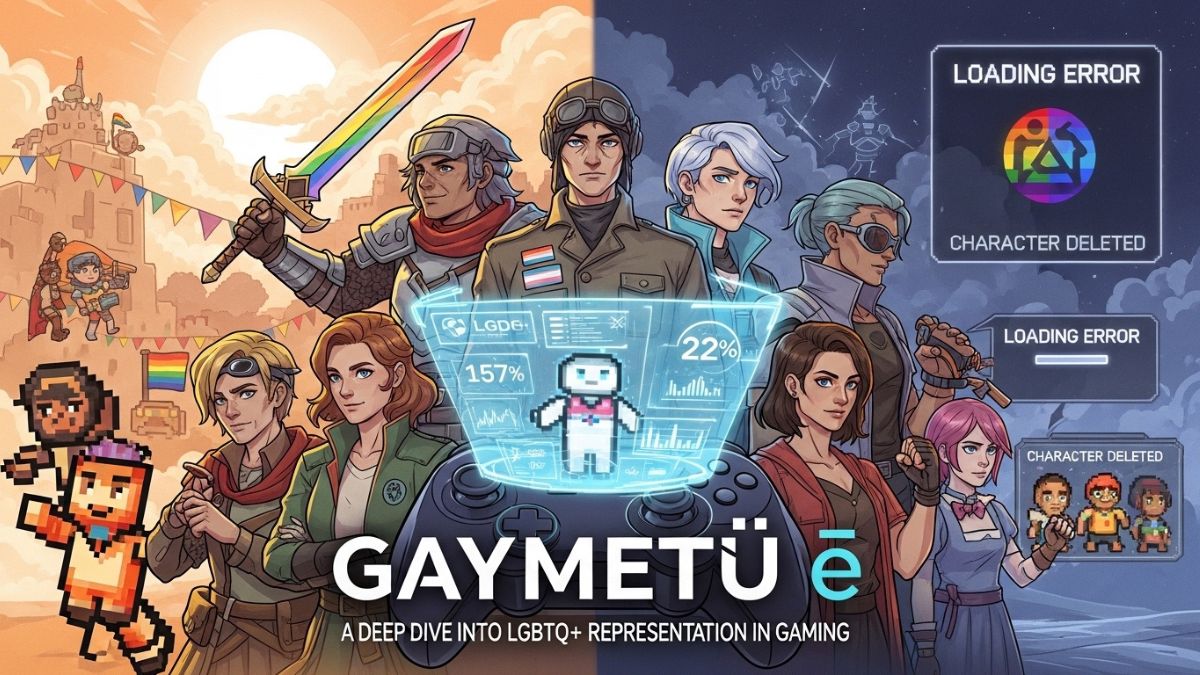
The world of gaming has evolved dramatically over the past few decades, transforming from a niche hobby into a global phenomenon. As it continues to grow, so does the importance of representation within this vibrant community. LGBTQ+ characters and stories are no longer an afterthought; they are becoming essential narratives that enrich gameplay experiences and resonate with players from all walks of life. Enter “Gaymetu e,” a term reflecting the intersection of gaming culture and LGBTQ+ identity. This blog explores how games have embraced inclusivity, challenged stereotypes, and opened doors for diverse voices in storytelling. Join us as we embark on a journey through pixels, plotlines, and pride!
History of LGBTQ+ Characters in Gaming
The history of LGBTQ+ characters in gaming is a tapestry woven with both struggles and triumphs. Early video games often sidelined or ignored queer identities altogether, reflecting the prevailing societal norms of their times. As gaming evolved, so did its narratives. The 1990s saw the first inklings of positive representation, though it was often limited to stereotypes or coded characters. Games like “Final Fantasy VII” introduced fans to complex relationships that sparked discussions around sexuality.
In the early 2000s, titles began featuring openly gay characters, albeit rarely as main protagonists. However, each inclusion marked a step forward for visibility within an industry long dominated by heteronormativity. By the late 2010s and into the present day, diverse stories flourished. Developers embraced authentic representations that resonated deeply with players from all walks of life showing just how far this medium has come in celebrating LGBTQ+ identities.
Positive Impact of Inclusive Gaming
Inclusive gaming creates a welcoming space for players of all backgrounds. When LGBTQ+ characters and narratives are thoughtfully integrated, it fosters empathy and understanding. Players can see themselves reflected in diverse storylines. This representation helps combat stereotypes and encourages acceptance within the gaming community. Gaymetu e Moreover, games that embrace inclusivity often attract wider audiences. A richer variety of perspectives enhances storytelling, creating more engaging experiences for everyone involved.
Access to these stories can empower LGBTQ+ individuals by validating their feelings and identity. It shows them they belong, both in real life and virtual worlds. This positive impact extends beyond entertainment. It promotes dialogue around important social issues, actively shaping cultural perceptions about gender and sexuality within society at large.
Challenges and Controversies Surrounding LGBTQ+ Representation
LGBTQ+ representation in gaming faces significant challenges. Despite progress, many characters are often stereotypes or lack depth. Gaymetu e This can lead to misrepresentation and reinforce harmful biases. Controversies arise over how developers handle LGBTQ+ themes. Some games may include a token character without meaningful storylines, which feels disingenuous to players seeking authenticity.
Additionally, backlash from certain gaming communities complicates discussions around inclusivity. Vocal critics argue against changing traditional narratives and resist the evolution of character diversity. The debate about censorship also plays a role in this landscape. Developers sometimes face pressure to tone down LGBTQ+ content for broader market appeal, compromising their artistic vision. These challenges highlight the ongoing struggle for genuine representation within the industry, making it essential for creators to prioritize authentic storytelling that resonates with diverse audiences.
Advancements and Progress in Recent Years
Recent years have witnessed a remarkable shift in the gaming landscape regarding LGBTQ+ representation. Developers are increasingly prioritizing inclusivity, leading to richer narratives and diverse characters. Games now feature same-sex relationships as central plots rather than mere side notes. Gaymetu e Players can explore vibrant stories that resonate with their experiences, fostering a deeper connection to the gameplay.
Moreover, independent games have emerged as powerful platforms for LGBTQ+ voices. Creators are unafraid to tackle complex themes like identity and acceptance head-on. This has resulted in innovative titles that challenge norms while captivating audiences. The mainstream industry is also responding positively. Major franchises include queer characters more prominently, showcasing different identities without reducing them to stereotypes or tokenism. Engaging dialogues around these topics continue to grow within gamer communities, pushing the conversation forward even further. As technology evolves, so does storytelling potential in games—leading us into an exciting era of authentic representation and immersive experiences.
Popular Games with Strong LGBTQ+ Representation
Several games have made significant strides in showcasing LGBTQ+ characters and narratives, creating a more inclusive gaming landscape. “Life is Strange” stands out for its authentic portrayal of queer relationships. Players navigate the complexities of love and friendship, making choices that impact character dynamics significantly. Another notable title is “The Last of Us Part II,” featuring Ellie as a bisexual protagonist. The game delves deep into her identity while exploring themes of loss and resilience.
“Dragon Age” series has long been celebrated for its diverse representation. Characters like Dorian Pavus offer rich backstories intertwined with their sexual identities, allowing players to engage meaningfully with them. Lastly, “Fire Emblem: Three Houses” invites players into romantic possibilities across various characters regardless of gender. Gaymetu e This freedom enhances player agency and connection to the narrative. These titles set a benchmark for future developments in LGBTQ+ representation within the gaming world.
The Importance of Continued Inclusivity in the Gaming Industry
Inclusivity in gaming shapes the experiences of countless players. When diverse identities are authentically represented, it fosters a sense of belonging and validation. LGBTQ+ gamers seek narratives that reflect their lives. This representation allows them to connect with characters on a deeper level. It transforms gameplay from mere entertainment into a personal journey.
Moreover, inclusivity drives innovation. Game developers who embrace diversity often produce unique stories and mechanics that resonate across various audiences. Engaging different perspectives can lead to groundbreaking creations. The industry thrives on community engagement, and embracing LGBTQ+ voices is vital for its growth. By championing inclusivity, companies not only cultivate loyalty but also enhance brand reputation. Listening to player feedback ensures games evolve meaningfully over time. A commitment to continued inclusivity will pave the way for future generations of gamers seeking authentic representation in their virtual worlds.
Conclusion
The landscape of LGBTQ+ representation in gaming has evolved significantly. From the early days of crude stereotypes to nuanced, authentic characters, there is much to celebrate. Games now embrace diversity and inclusivity, reflecting a broader spectrum of human experiences.
With every new title that features queer narratives or inclusive storylines, the message becomes clearer: everyone deserves to see themselves reflected in their favorite games. The community’s response is overwhelmingly positive, showing just how essential this representation is for both gamers and developers alike.
Challenges remain. Some still resist change or perpetuate outdated tropes. Yet progress continues as more voices join the conversation around inclusivity within gaming culture.
As we witness advancements year after year, it’s crucial not only to acknowledge but also advocate for ongoing representation efforts like Gaymetu e within the industry. Ensuring diverse stories are told will enrich gameplay experiences for all players while promoting understanding and acceptance across different communities.